If your drain clears up for a week and then the backup returns, it is rarely a matter of bad luck. Persistent clogs usually signal an underlying pipe problem: heavy mineral scale from North Alabama’s hard water, thick grease coating the walls, or tree roots working into the joints. Searching for drain cleaning in Huntsville? Start by understanding what is actually happening inside your pipes.
First: is this a single drain problem, or a main line problem?
How to Tell a Local Clog From a Main Sewer Line Backup
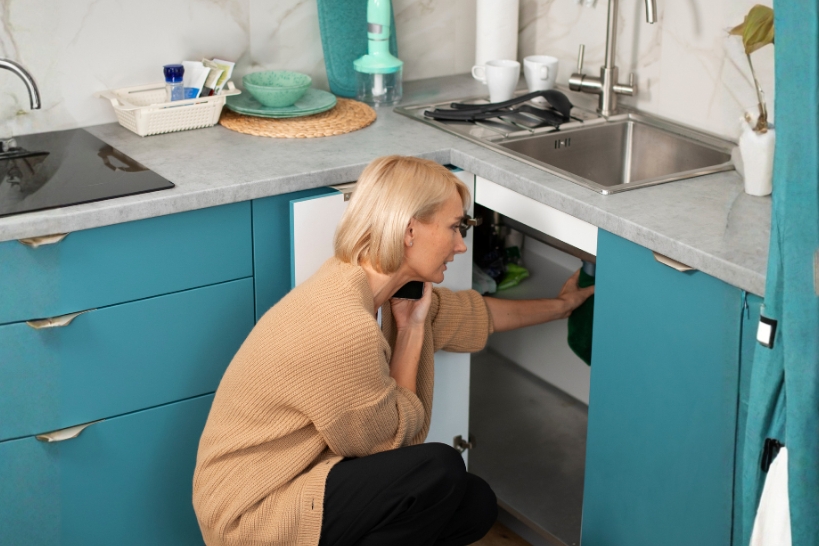
Imagine two common scenarios: pulling the tub plug and watching water slowly swirl, versus running the kitchen sink and hearing the hall toilet gurgle. If you are asking why do my drains keep clogging, these symptoms help isolate whether the issue is a single fixture or a main pipe line.
Kitchen Clogs
Grease, oils, and food sludge build up, causing sluggish sink drains or dishwasher backups into the basin.
Bathroom Clogs
Hair and soap scum bind together, creating standing tub water or toilets that bubble when the shower drains.
Main Line Red Flags
- Two or more fixtures backing up simultaneously (especially lowest-level drains like floor drains or tubs).
- Toilets gurgling when running nearby sinks.
- Sewage odors or water pooling near floor drains.
If symptoms point to a main sewer line, skip store-bought chemical cleaners. They cannot clear deep obstructions and can corrode piping. If multiple drains are involved, see our deeper guide on sewer line warning signs to determine when to call a professional plumber.
Why Do My Drains Keep Clogging? 4 Root Causes
If you keep clearing the same drain only to watch it fail days later, the issue usually is not what went down the sink. The pipe itself is physically catching debris.
Four hidden conditions drive repeat blockages:
- Hard-water scale: North Alabama’s mineral-dense water leaves rough deposits on pipe walls that snag toilet paper and food scraps.
- Grease coating: Drain snakes punch a small hole through grease but leave sticky wall buildup that traps incoming waste fast.
- Tree root intrusion: Roots invade pipe joints for moisture, causing sudden main-line backups that often worsen after heavy rain.
- Pipe bellies: Shifting local red clay soil causes pipes to sag, creating low points where standing water and solids continuously settle.
Because symptoms overlap, a sewer camera inspection is the only way to separate minor buildup from structural pipe damage. Before calling for service, make sure your DIY attempts are not making matters worse.
Safe DIY Clog Solutions: What Works and When to Stop
How can you clear a stubborn drain without risking expensive pipe damage? DIY techniques should only be used for single-fixture clogs.
Safe DIY options include:
- Plunging: Use cup plungers for sinks and flange plungers for toilets to break minor blockages.
- Zip tools: Use flexible plastic tools to pull hair and debris from tub and shower drains.
- Hot water and dish soap: Flush kitchen lines to break up light grease buildup.
- Enzyme treatments: Use natural bacteria cleaners for safe, long-term maintenance.
Skip store-bought chemical drain cleaners entirely. These caustic chemicals generate intense heat that corrodes older pipes, create hazards for plumbers opening the line later, and fail to clear structural issues like tree roots or sagging pipes.
Stop immediately if you notice sewage odors, water backing up into floor drains, or multiple clogged fixtures. If you are past DIY, schedule professional drain cleaning before a minor blockage becomes an expensive emergency.
Snaking vs. Hydro Jetting: Choosing the Right Fix for Your Drains
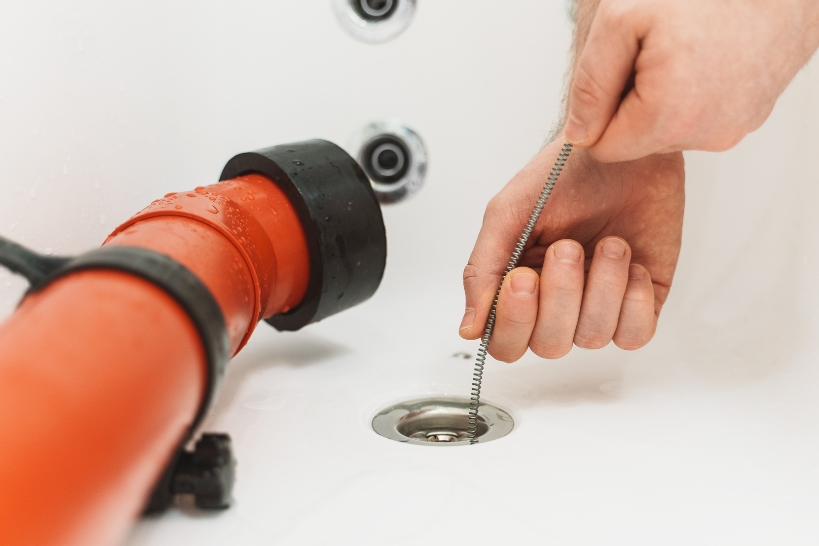
If you are wondering why do my drains keep clogging, the issue often comes down to the cleaning method used. Snaking clears a path; jetting cleans the pipe wall using high-pressure water up to 4,000 PSI.
| Drain Cleaning Method | Best For | Key Considerations |
|---|---|---|
| Snaking (Auger) | Localized hair clogs or single fixtures | Provides fast temporary relief, but leaves behind grease and scale, which can lead to recurring clogs. |
| Hydro Jetting | Heavy grease, mineral scale buildup, and tree roots | Uses high-pressure water to scour pipe walls completely clean and flush debris out of the plumbing system. |
A camera inspection is required before jetting. It confirms pipe integrity and identifies sags, offsets, or cracks. Ask for an itemized scope beforehand, as some quotes include camera work while others bill it separately.
- Fragile or Deteriorated Pipes: High-pressure jetting risks line collapse. Physical repair or replacement is required.
- Solid Pipes with Buildup: Hydro jetting offers the highest long-term value by preventing repeat callbacks.
For recurring clogs, our team recommends the safest fix after inspection. Schedule professional drain cleaning today.
Schedule Drain Cleaning Service
How to Break the Cycle of Recurring Drain Clogs
Recurring clogs are rarely solved by repeating the same quick fix. When a line backs up repeatedly, the issue usually stems from the physical condition of the pipe rather than what just went down the drain.
Use this action framework to stop chasing temporary fixes:
- Isolate the issue: Determine if the clog is limited to one fixture or multiple drains. Simultaneous backups in lower-level fixtures signal a main sewer line block.
- Stick to safe DIY: Plungers and hand snakes work fine for minor surface clogs. Avoid chemical drain openers, which corrode piping and create safety hazards.
- Inspect before clearing: If backups return, request a camera inspection. Ask for video footage with distance markers to pinpoint the exact failure point.
- Jet sound pipes: If your pipe is structurally intact but coated in grease or heavy scale, schedule professional drain cleaning using hydro jetting to restore full flow.
- Repair structural damage: If a camera reveals tree roots, sagging bellies, or cracked joints, cleaning alone will fail. When evidence points to main-line damage, sewer repair may be the right next step.
For homeowners across Huntsville and Madison, getting a second opinion helps you make the right investment before committing to major pipe work.
Frequently Asked Questions About Drain Cleaning and Sewer Repair
Why do my drains keep clogging after they have been snaked?
Snaking only punches a narrow hole through a blockage to restore temporary flow, leaving grease, soap scum, and mineral scale on the pipe walls. If your line has a structural sag or root intrusion, those remaining deposits quickly trap incoming waste. If clogged drain repair yields short-term results, schedule a sewer camera inspection to reveal the underlying issue.
Hydro jetting vs. snaking: what is better for recurring drain clogs?
Hydro jetting is far better for recurring clogs because high-pressure water scours pipe walls completely clean, removing grease and mineral scale. Snaking works well for fast clearing of simple, localized hair clogs, but it leaves wall buildup behind. A professional plumber should inspect your line with a camera to determine which method fits your pipe’s condition.
Will hydro jetting damage old cast-iron or clay pipes?
Hydro jetting can damage older pipes if they are already severely cracked, corroded, or structurally compromised. Plumbers perform a camera inspection beforehand to verify pipe strength and calibrate water pressure to your specific pipe material. If an old cast-iron or clay line is failing, structural repair or pipe lining is safer than aggressive hydro jetting.
What does hydro jetting cost in Huntsville, AL?
Hydro jetting costs vary based on clog severity, cleanout access, and whether a camera inspection is included in the service. Homeowners should request an itemized quote detailing the diagnostic work, cleaning methods, and any after-hours charges. Local providers, including Best Care Home Services, can help you compare the long-term value of hydro jetting against repeated calls for basic drain cleaning in Huntsville.
When is a clogged drain actually a sewer problem?
A clog is a main sewer problem if multiple fixtures back up at once, toilets gurgle when sinks drain, or sewage overflows from low-level floor drains and tubs. Single-fixture backups are usually isolated to local drain lines. A main-line camera inspection is the fastest way to confirm the location of the block. You can read our guide on signs of sewer line problems to check for additional warning signs.
What can I do monthly to prevent clogs without harsh chemicals?
Use mesh hair catchers, keep cooking grease out of the sink, and flush kitchen lines with hot water after washing dishes. You can also run monthly enzyme drain treatments to digest organic buildup safely. Avoid chemical drain openers, which generate heat that can warp or corrode pipes. If North Alabama hard-water scale causes persistent issues, plan periodic professional maintenance over DIY chemical fixes.
Ready to stop dealing with repeat drain backups? Call (256) 937-7889 or schedule online.