A slow drain often feels like a simple clog until multiple fixtures back up simultaneously. Across North Alabama, shifting red-clay soil, aggressive tree roots, and aging cast-iron lines put constant stress on underground pipes. Recognizing early signs of a sewer line problem helps you avoid costly property damage and health hazards.
The six most common warning signs are:
- Multiple fixtures backing up at the lowest level
- Gurgling sounds or bubbling drains
- Persistent sewage odors inside or outside
- Recurring clogs after repeated line clearing
- Frequent toilet overflows or fluctuating bowl water levels
- Unusually lush grass, soggy spots, or sunken lawn areas
This guide covers each sign in detail plus a step-by-step action plan for diagnosis and repair. Start with the strongest red flag: multiple fixtures acting up at once.
1. Multiple Backed-Up Fixtures at the Lowest Level
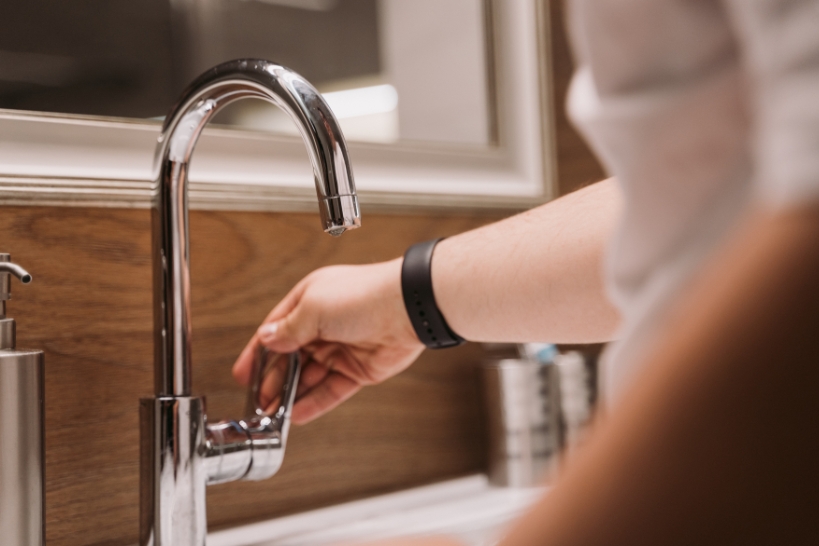
When two or more unrelated fixtures slow down or back up at the same time, such as a flushing toilet pushing water into a bathtub, you are most likely facing a main sewer line blockage rather than an isolated clog.
Every drain in your home empties into one primary pipe. A main line restriction forces wastewater to stack up throughout your plumbing system, and that standing water escapes through your lowest-level drains first: usually a ground-floor shower, tub, or floor drain.
To test this safely, run water at one sink while watching nearby fixtures for rising water or gurgling. If you notice a backup, stop using water immediately. Avoid chemical drain cleaners, which can damage pipes. Call a professional for drain cleaning and diagnosis to safely clear the line.
2. Gurgling Sounds and Bubbling Drains
Flushing a toilet and watching the bathtub bubble, or running a sink while the toilet gurgles, are clear indicators of a main sewer line issue.
When a restriction blocks your line, wastewater and trapped air cannot flow or vent normally. As incoming water pushes against the blockage, trapped air forces its way backward through the nearest open fixture trap, creating distinct bubbling and gurgling sounds.
In older North Alabama homes, aging clay or cast-iron lateral lines often shift from soil movement. These pipe offsets create turbulence and catch debris, accelerating main line clogs.
Treat these drain noises as an urgent warning. Reduce water usage immediately and schedule a camera inspection to locate the restriction before wastewater backs up into your home.
3. Persistent Sewage Odors Inside or Outside Your Home
A persistent sewage odor near a floor drain, bathroom, laundry area, or yard path indicates sewer gas is bypassing your plumbing barriers.
Under normal conditions, water inside P-traps blocks gas from entering your home. Main sewer line backups create pressure that forces sewer gas past these water seals. A cracked sewer lateral can also leak wastewater underground and vent odors up through the soil.
For a quick check, pour a gallon of water down rarely used drains to refill dry traps. Note whether the odor worsens after running water or heavy rain.
If the smell lingers alongside slow drains, gurgling toilets, or damp spots in the yard, do not mask it with air fresheners. Schedule a professional plumbing inspection to locate and repair the main line issue promptly.
4. Recurring Clogs After Repeated Line Clearing
If your drains slow down or back up again every few weeks after being cleared, you are dealing with a severe underlying sewer line problem. Standard drain snaking often pokes a temporary hole through an obstruction, offering brief relief without removing the root cause.
Tree roots frequently enter clay or concrete pipes through tiny joint cracks. Inside the line, these roots form dense masses that trap toilet paper and solid waste. Snaking cuts a narrow path through the center, but roots regrow quickly. In other cases, ground shifting creates pipe offsets, fractures, or full structural collapses.
Schedule a professional sewer camera inspection to confirm whether you face root intrusion or pipe damage. Understanding the difference between hydro-jetting and snaking helps you choose the right restoration method to stop recurring clogs permanently.
5. Frequent Toilet Overflows and Water Level Changes
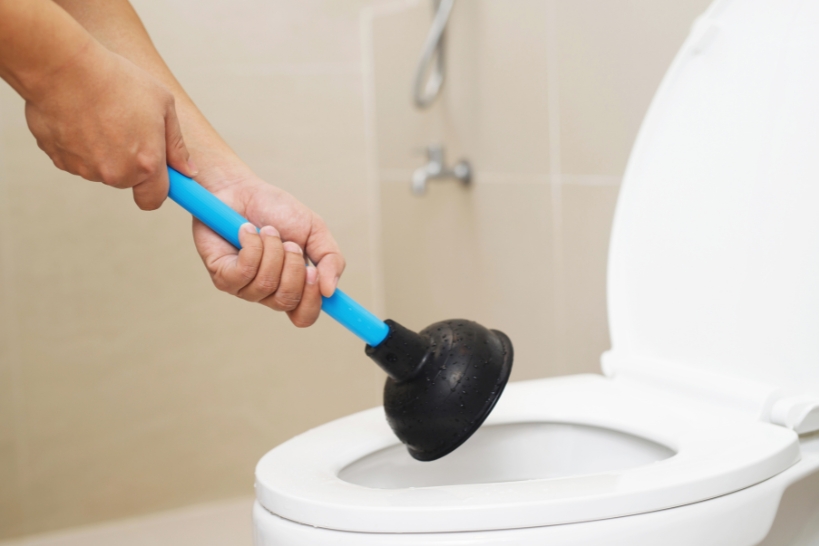
If you are constantly reaching for the plunger, noticing a slow flush, or seeing fluctuating bowl water levels, the issue likely extends beyond a standard clog.
Toilets discharge the highest volume of wastewater at once compared to any other household fixture. When a main sewer line restriction occurs, that sudden surge cannot drain efficiently. Because water seeks the path of least resistance, wastewater backs up into the lowest fixtures first, often causing standing water in nearby tubs and showers.
Repeated toilet overflows create a serious risk of raw sewage contamination in your home. If you notice these warning signs across multiple fixtures, stop running water immediately to prevent severe damage. Contact a professional plumber for a complete diagnostic inspection.
6. Unusually Lush Grass Patches, Soggy Spots, or Sunken Lawn Areas
An unusually vibrant, bright green strip of lawn during a dry spell is rarely a landscaping victory. Localized lush grass, soggy soil without recent rain, or soft, sunken ground are late-stage indicators of a broken sewer line.
Leaking sewage acts as an unintended fertilizer and moisture source, feeding grass while washing away soil to create underground voids or sinkholes. In North Alabama, dense red-clay soil expands and contracts with seasonal moisture shifts. This ground movement stresses older sewer laterals, allowing mature tree roots to pry open pipe joints and worsen leaks.
If you spot soft ground, foul odors, or an influx of flies and rodents, avoid digging into your yard. Schedule a professional sewer camera inspection immediately to pinpoint the break and prevent a costly structural collapse.
What to Do When You Spot Sewer Line Warning Signs
When you notice signs of a sewer line problem, act fast to prevent indoor backups. Follow this action plan from diagnosis to repair.
Step 1: Stop Non-Essential Water Use
Halt water use immediately if multiple fixtures back up. Do not run dishwashers, washing machines, or showers until a technician inspects the line.
Step 2: Confirm the Problem Location
A single slow drain indicates a localized branch line clog. Multiple backing-up fixtures or water rising at the lowest drain indicate a main sewer line issue.
Step 3: Get a Sewer Camera Inspection
Schedule a video camera inspection and ask to review the footage. Look for three key diagnostic indicators:
- Roots: Fibrous, web-like masses invading pipe joints.
- Collapse: Jagged debris or loss of round pipe shape.
- Belly or Sag: Low spots where standing water prevents proper drainage.
Step 4: Choose the Correct Repair
Select a repair method based on camera findings:
- Clearing: Use professional drain cleaning (snaking or hydro-jetting) if the pipe shape is intact and only blocked by removable debris.
- Trenchless Options: Cured-in-place pipe (CIPP) lining seals cracks if the pipe maintains proper grade. Pipe bursting replaces damaged pipe without full trenching.
- Excavation: Pipe bellies, sags, or full collapses require targeted digging to correct soil bedding and grade.
Step 5: Address Root Prevention
Permanently remove entry points with lining or replacement instead of temporary chemical fixes. Roots regrow through chemical treatments; structural solutions stop the problem at the source.
Frequently Asked Questions About Sewer Line Problems
How can I tell a main sewer line backup from a single drain clog?
A single slow sink points to a branch clog. When multiple fixtures back up at once or water rises in your lowest drain, you have a main line issue. See Section 1 above for the full test procedure.
What happens during a sewer camera inspection?
A plumber feeds a high-definition camera through your cleanout to inspect the pipe. This reveals whether you face root intrusion, cracked pipes, offset joints, pipe bellies, or structural collapses.
Is trenchless sewer repair always possible?
No. Cured-in-place lining seals cracks and stops roots when the pipe holds its shape. Severe pipe bellies, sagging lines, or complete structural collapses require traditional excavation to restore proper pipe grade.
Who is responsible for sewer line repair in Madison, AL?
Homeowners maintain the private sewer lateral from the home to the public connection. Call the local utility first if you suspect a street-side blockage, then call a local plumber for private lateral repairs.
Should I use chemical drain cleaners for sewer line problems?
No. Chemical cleaners fail on severe main line blockages, damage aging pipes, and create chemical hazards for plumbing technicians. Call Best Care Home Services for safe, professional drain cleaning instead.
Catching sewer line problems early keeps a minor inconvenience from becoming a health hazard or a five-figure repair bill. Trust the warning signs: when multiple drains act up, odors linger, or your lawn turns suspiciously green, call a professional before the situation escalates.
Best Care Home Services serves Huntsville, Madison, and all of North Alabama with licensed plumbers, sewer camera inspections, and trenchless repair options.