North Alabama heat and humidity push cooling systems hard. When repairs start piling up, knowing when to replace your air conditioner protects your comfort and your wallet.
Below are 7 clear signs your system is ready for an upgrade, how to evaluate repair costs honestly, and a 5-step action plan to make the decision with confidence. Best Care serves Huntsville and surrounding communities with dependable installation and replacement options.
Seeing multiple signs? Schedule Your Replacement Consultation
1. Your System Age Meets Heavy Climate Load
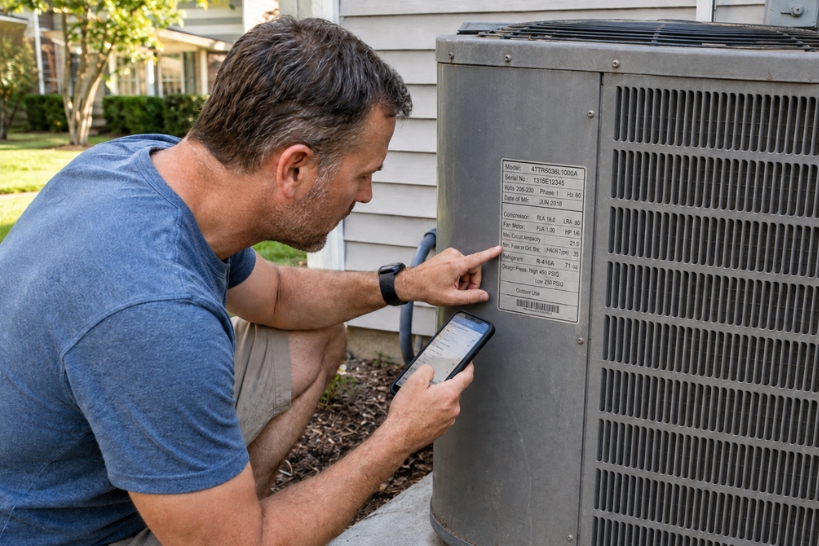
The fastest evaluation starts with a simple age check. In North Alabama, long summer runtimes and high humidity stress coils, blowers, and compressors more than in milder climates. Most systems last 10 to 15 years nationally, but heavy local conditions often shorten that window.
To verify your system’s age:
- Locate the metal data rating plate on your outdoor condenser unit.
- Find the manufacture date or serial number, which encodes the production week and year.
- Review whether the unit has received consistent annual maintenance — consistent upkeep extends life; neglect shortens it.
Understanding your AC’s service history helps you gauge where it stands in its operational lifespan. A well-maintained system in a mild climate might last closer to 15 years, but a neglected unit running in Huntsville’s summers may reach its limit at 10.
2. Repair Estimates Approach 50% of System Value
When deciding whether to repair or replace, a clear industry guideline helps: the 50% rule. If a single repair estimate approaches roughly half the cost of a full replacement, the math nearly always favors a new system.
Major component repairs that frequently reach this threshold include:
- Compressor failures
- Cracking or leaking evaporator coils
- Damaged condenser coils
- Recurring refrigerant leaks
Do a full reality check beyond the immediate invoice. Factor in accumulated costs from repeat service calls over the past year, plus the risk of breakdown during peak North Alabama heat. Ask your contractor for both a written repair quote and a complete replacement proposal. Comparing them side by side gives you an accurate, apples-to-apples evaluation.
Best Care’s $500 Price Match Guarantee means you can compare written quotes from any licensed local competitor for comparable equipment and scope.
3. Unexplained Spikes in Your Monthly Energy Bills
If your electric bill spikes compared to the same month last year without a major weather shift, your air conditioner is losing efficiency. Before replacing the unit, rule out simple fixes:
- Replace clogged air filters that restrict airflow.
- Verify thermostat schedules and setback settings.
- Inspect accessible ductwork for obvious disconnections.
- Clear debris from the outdoor condenser coil.
If basic maintenance checks do not resolve high energy usage, internal wear may be forcing the system to run constantly. Upgrading to a modern SEER2 system lowers monthly operating costs and reduces that financial drain.
Avoid simply buying the highest efficiency rating available. Realizing those savings requires proper Manual J load calculation sizing and sealed ductwork. In North Alabama’s long, humid summers, installation quality matters as much as the equipment spec.
4. Persistent Indoor Humidity and Sticky Air

If your thermostat reads 72 degrees but your home feels clammy, sticky, or musty, your cooling system is failing at moisture control. In North Alabama’s summers, indoor comfort depends as much on dehumidification as it does on temperature.
Aging single-stage air conditioners, systems with restricted airflow, or oversized units often short-cycle. They cool the house too quickly without running long enough to pull moisture from the air.
Modern two-stage and variable-speed systems run longer cycles at lower speeds, continuously wringing out humidity as they maintain your target temperature. The difference in comfort is noticeable from day one.
During a professional evaluation, ask your technician to check:
- System sizing and load calculations
- Return air duct leaks and duct sealing
- Condensate line and drainage performance
Treating high humidity as a diagnostic clue helps you describe your comfort complaints precisely when scheduling a system assessment.
5. Confusion Over SEER2 Ratings on Equipment Quotes
When shopping replacement quotes, you will likely keep seeing “SEER2” without a clear explanation. Introduced in 2023, SEER2 is the updated efficiency rating standard that tests equipment under higher external static pressure, better reflecting real-world conditions.
Compare quotes using SEER2 ratings rather than outdated SEER numbers. Focus on total system performance, not just a sticker rating. Higher-tier SEER2 units face larger upfront costs, but TVA EnergyRight rebates are available for qualifying high-efficiency upgrades.
As a practical next step, ask every contractor for the exact equipment model numbers and an official AHRI match certificate. That verifies you are comparing like-for-like estimates with correctly matched indoor and outdoor components.
6. Wide Price Gaps Between Contractor Estimates
When you get quotes that are thousands of dollars apart, it is easy to wonder who is overcharging or cutting corners. Wide gaps are common, but legitimate scope differences usually explain the variation.
Common cost drivers include:
- System type and efficiency: Straight cool vs. heat pump units and single-stage vs. variable-speed technology.
- Infrastructure upgrades: Electrical panel modifications, new line sets, duct repairs, or zoning controls.
- Sizing and complexity: Proper Manual J load calculations, local permit fees, and challenging attic access.
In North Alabama, long cooling seasons and extreme attic temperatures mean proper airflow and installation quality directly affect your comfort and monthly bills.
To make a fair comparison, confirm that each proposal explicitly outlines equipment staging tiers, warranty terms, and what duct or electrical work is included versus optional. This is where reviewing AC installation options in detail protects you from surprise costs after the job starts.
7. Frequent Repairs and Unreliable Performance
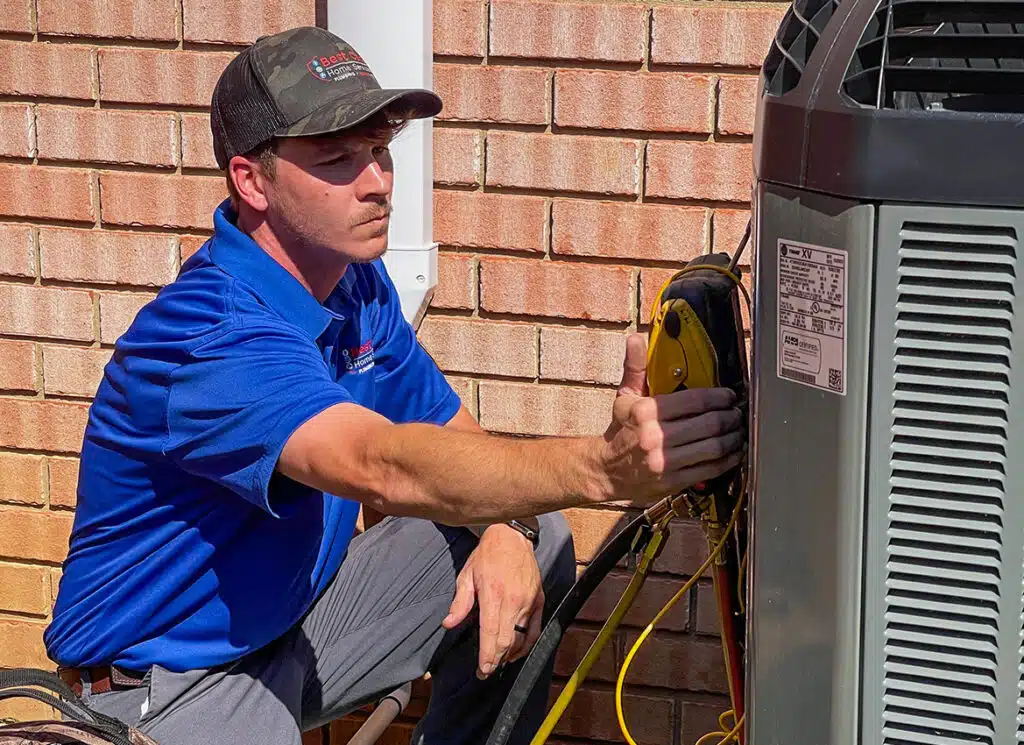
Calling for HVAC service multiple times in a single year signals systemic failure. Even when individual repairs seem small, a burnt-out capacitor one month and a failing fan motor the next add up fast. Each visit carries a service charge and parts cost.
Beyond the repair bills, frequent breakdowns disrupt your household. You lose time scheduling emergency service, face the risk of complete cooling failure during peak summer heat, and deal with the stress of not knowing when the next failure will hit.
When major components fall out of manufacturer warranty, every breakdown comes entirely out of pocket. Aging systems that require repeated refrigerant recharges due to recurring leaks also become an environmental and financial liability as R-22 refrigerant has been phased out.
If you see 2 or 3 of these signs, use the checklist below to decide with confidence.
Call (256) 937-7889 for a Same-Day Assessment
How to Decide: Your 5-Step AC Replacement Action Plan
Follow this practical workflow to turn warning signs into a confident, install-ready decision.
Step 1: Confirm Age and Warranty Status
Locate your outdoor unit’s rating plate to confirm system age. Verify whether active manufacturer warranties still cover major replacement components.
Step 2: Get Two Detailed Written Quotes
Get two written numbers from your contractor: the full repair scope and a complete replacement proposal detailing explicit equipment models, not just “a new unit.”
Step 3: Apply the 50% Rule
If repair costs approach 50% of a new system’s price, or if you paid for repeated service calls this year, replacement delivers higher long-term value.
Step 4: Compare SEER2 Ratings and Humidity Control
Review modern SEER2 efficiency tiers. Choose two-stage or variable-speed equipment to lower utility bills and manage muggy North Alabama humidity year-round.
Step 5: Require Sizing and Duct Audits
Insist on a Manual J load calculation and duct inspection to avoid buying equipment your ductwork cannot support.
Ready to move forward? Explore AC installation options or book a system assessment. Best Care’s team is available Monday through Friday, 7:30 a.m. to 8:00 p.m.
Schedule Your AC Replacement Consultation
Frequently Asked Questions About AC Replacement
How long should an air conditioner last in North Alabama heat?
An air conditioner in North Alabama typically lasts 10 to 12 years. Long, humid summers force systems to run continuously, accelerating wear on compressors and coils. Routine seasonal maintenance is the single best way to reach or exceed that range.
Is it better to repair or replace an AC unit?
It depends on age, repair history, and cost. Replacement makes sense if your unit is over 10 years old, breaks down repeatedly, or faces a repair exceeding 50% of a new system’s price. Repair works when the system is under 8 years old, the component cost is low, and no other warning signs are present.
How much does a new AC cost in Huntsville?
Total replacement costs depend on system tonnage, equipment staging, SEER2 efficiency tier, and any required electrical or ductwork updates. Homes with difficult attic access or older electrical panels typically fall at the higher end. Best Care provides upfront written quotes and offers financing on qualified projects.
What is SEER2, and does a higher rating always save money?
SEER2 measures HVAC energy efficiency under realistic ductwork pressure. A higher SEER2 rating reduces monthly electric bills, but a high number alone will not guarantee savings if your ductwork leaks or the system is incorrectly sized. Proper Manual J calculations and sealed ducts are required to capture the full efficiency benefit.
Should I replace just the outdoor unit or the whole system?
Replacing both the outdoor condenser and indoor air handler together is strongly recommended. Mismatched components reduce cooling efficiency, strain internal parts, and often invalidate manufacturer warranties. A matched system delivers consistent performance and qualifies for full warranty coverage.
Ready to explore reliable replacement options for your home?
Best Care’s ComfortGuard Membership covers two annual precision tune-ups, priority scheduling, and repair discounts. Regular maintenance can delay replacement and keeps your warranty current.