North Alabama homeowners need a heating system that can handle mild winter days, short freezes, and a long cooling season without wasting energy.
When weighing a heat pump vs furnace, standard Midwest HVAC advice simply does not apply to the Tennessee Valley. Our mild winters, long cooling seasons, and brief icy snaps require a local perspective. The right choice depends on how your home balances summer humidity control against those occasional 20-degree winter nights.
This guide breaks down system performance, operating-cost math using local electric and gas rates, and available TVA, federal, and state incentives. We will cover lifespan expectations, replacement warning signs, and when a dual-fuel system is worth the investment.
As your local North Alabama HVAC team at Best Care, we pair dependable heating services with high-efficiency air conditioning solutions. Here is what you need to know to make the smartest decision for your home.
Heat Pump vs Furnace: What North Alabama Weather Demands
Picture a typical January week in Madison: you enjoy a mild 55-degree afternoon on Tuesday, only to wake up to a 20-degree freeze Thursday morning.
That swing illustrates North Alabama winters. Most winter days stay cool rather than freezing, which is where high-efficiency heat pumps thrive. Because cooling and humidity control matter for much of the year, the best system choice should account for both heating and air conditioning performance.
Your climate strategy requires three core priorities: maximum efficiency during long shoulder seasons, precise humidity control through seasonal shifts, and a reliable backup heating plan for brief arctic blasts.
Now let’s break down what each system actually does, and why they feel different at the vents.
Comparing the Technology and Comfort of Heat Pump and Furnace
You might assume scorching air blowing from your vents means a warmer house, but milder supply air often creates better whole-home comfort.
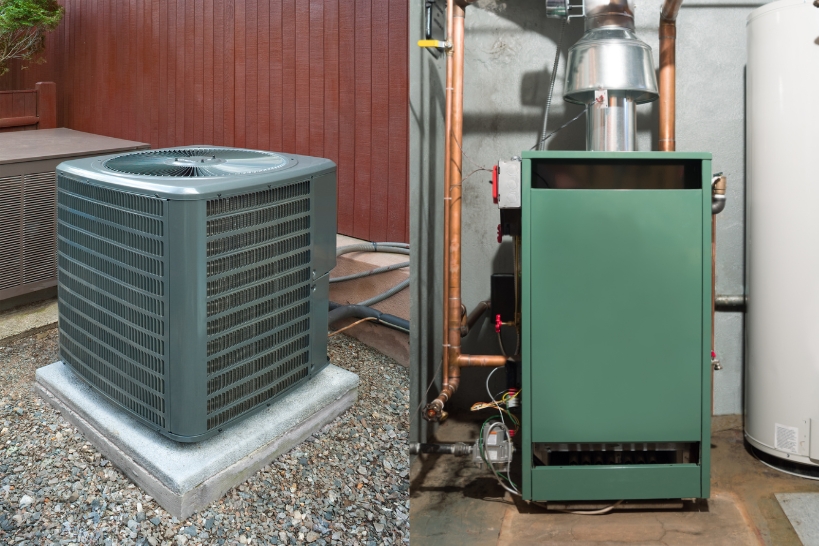
In a heat pump vs. furnace comparison, the main difference is how they produce heat. An air-source heat pump transfers outdoor heat inside during winter and reverses in summer to cool your home. Because it often runs longer, gentler cycles, heat-pump supply air can feel cooler than the hotter air produced by a gas furnace. A furnace creates intense heat through gas combustion, requiring a separate AC unit for summer cooling.
A dual-fuel hybrid system offers both: it relies on the heat pump for mild days and automatically switches to the gas furnace when North Alabama temperatures drop below freezing.
While heat pumps take longer to recover from deep overnight thermostat setbacks, continuous airflow eliminates room-to-room temperature swings. Next, upfront equipment costs and TVA utility incentives change the financial math fast.
What Affects New Heating System Costs in Huntsville?
Installed cost depends on equipment capacity, efficiency level, ductwork condition, electrical capacity, gas-line access, and installation complexity. Heat pumps, furnace and AC combinations, and dual-fuel systems each carry different equipment and infrastructure needs.
Rebates and tax incentives can change over time. Ask your contractor and utility provider which programs currently apply before including anticipated savings in your budget. Compare available options through Best Care’s heating services team and request a written estimate for your home.
Calculating Operating Costs: Heat Pump vs. Furnace Math in North Alabama
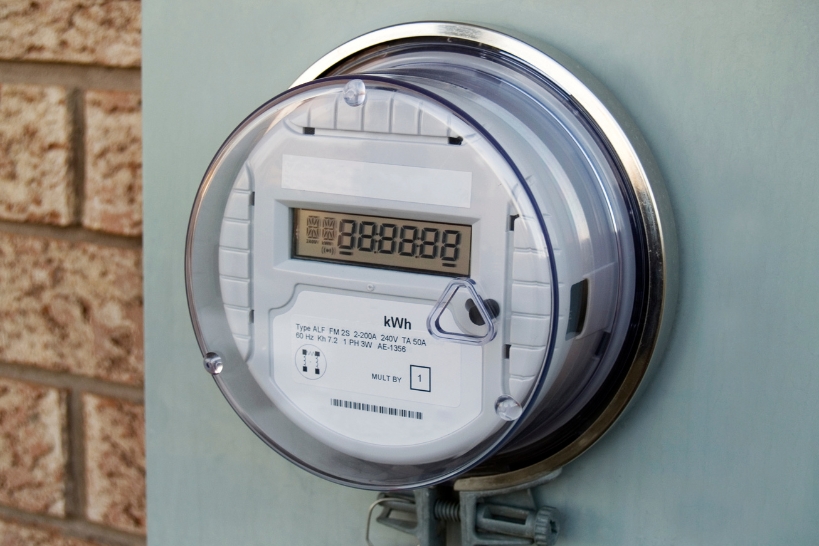
Two systems can cost the same to install and still deliver very different January bills. Estimating operating costs comes down to three inputs from your current utility bills and equipment specifications:
- Electric rate: Your cost per kilowatt-hour ($/kWh).
- Gas rate: Your cost per CCF or therm and any monthly customer charges.
- Equipment efficiency: Heat pump COP (Coefficient of Performance) or HSPF2 rating versus furnace AFUE percentage.
To compare systems accurately, convert both fuels into the cost per unit of delivered heat. Heat pumps excel during mild 50°F weather, operating at a COP of 3.0 or higher, which means they deliver three units of heat for every unit of electricity consumed.
However, two North Alabama factors alter basic calculations:
- Year-round fixed gas fees: Paying a monthly gas customer charge year-round when you only run heat three months out of the year inflates your effective cost per unit of heat.
- Auxiliary electric heat: During sudden freezing snaps, standard heat pumps engage electric resistance heat strips, drawing massive power and causing bill spikes.
| Scenario | Heat Pump System | Gas Furnace System |
|---|---|---|
| Mild Day (45°F–60°F) | Highest efficiency (COP 3.0+); lowest daily operating cost. | Standard AFUE efficiency; fixed meter fees apply. |
| Cold Snap (<30°F) | Efficiency drops; heat strips trigger bill spikes. | Consistent 80–96% AFUE heat regardless of temperature. |
If you want heat-pump efficiency most of the year but don’t want cold-snap risk, dual fuel is often the Tennessee Valley sweet spot.
The Dual-Fuel Hybrid: Finding Your Home’s Perfect Balance Point
Picture waking up to a 24°F frost in Madison, only to see temperatures reach the mid-50s by afternoon. A dual-fuel system handles this Tennessee Valley weather pattern by pairing an electric heat pump with a natural gas furnace. The heat pump covers most winter hours efficiently, while the furnace steps in during sub-freezing mornings for fast heat recovery.
Technicians set up dual fuel using a specific switchover temperature known as the balance point:
- Thermal balance point: When outdoor temperatures drop so low that heat loss exceeds the heat pump’s heating capacity.
- Economic balance point: When natural gas becomes cheaper to burn than paying for the electricity to run the heat pump.
A qualified technician should calculate and test the switchover setting for the home, equipment, and current utility rates. To help a properly configured setup when evaluating a heat pump vs furnace combination, ask your installer:
- Will you perform a Manual J load calculation?
- What low-temperature capacity data are you using beyond standard 47°F ratings?
- How will you set and verify the switchover temperature?
- How does the control system prevent rapid cycling between gas and electric?
If your home already has gas service, explore our heating services to schedule a dual-fuel consultation.
Heat Pump vs. Furnace Lifespan and Replacement Warning Signs
How many years can you realistically expect your HVAC system to last in North Alabama? When comparing a heat pump vs. furnace, lifespan depends heavily on annual run time and installation quality. Heat pumps operate year-round through our long cooling season, accumulating extra wear and typically lasting 10 to 15 years. Gas furnaces face less overall usage, lasting 15 to 20 years, though aging combustion components and venting require routine safety inspections.
Key warning signs it is time to replace include:
- Frequent repairs or rising repair costs
- Uneven temperatures and long run times
- Strange noises, persistent smells, or short-cycling
- System struggles during the first cold snap
If your heat pump is blowing cold air, it may simply be running a normal defrost cycle. Persistent cold air, however, points to reversing valve or electrical issues. Seasonal tune-ups and proactive air conditioning care keep components running efficiently year-round.
How to Choose Your Heating Strategy in the Tennessee Valley

To select the ideal system for your North Alabama home, walk through this five-step decision checklist:
| Decision Step | What to Check |
|---|---|
| 1. Assess Your Infrastructure | Verify natural gas availability, inspect ductwork, and confirm electrical panel capacity. |
| 2. Identify Your Priorities | Weigh lowest year-round operating costs against maximum vent heat during freezing weather. |
| 3. Calculate Utility Rates | Compare local electric rates against natural gas pricing and monthly meter fees. |
| 4. Plan for Cold Snaps | Choose between all-electric auxiliary heat strips or a dual-fuel gas backup. |
| 5. Check Active Incentives | Combine TVA EnergyRight rebates with federal 25C tax credits to offset installation costs. |
As a general rule of thumb, a modern heat pump delivers the best overall efficiency for most Tennessee Valley homes. Dual fuel provides gas-like cold-snap comfort without sacrificing daily heat pump savings. Furnace-only systems remain a practical fit when existing gas lines and low upfront replacement costs align with your home budget.
Ready to see exact figures for your home? Visit our heating services page to schedule an in-home evaluation and compare system options in writing.
Frequently Asked Questions
Are heat pumps good in Alabama, especially the Tennessee Valley?
Yes. North Alabama features mild winters and long cooling seasons where heat pumps deliver ideal year-round efficiency. Modern inverter heat pumps maintain strong heating performance even when temperatures drop into the 20s. Proper sizing and professional installation help reliable winter heating alongside superior summer humidity control.
Heat pump vs furnace in Alabama: which is cheaper to run?
Operating costs depend on local utility rates, system efficiency ratings, and winter weather severity.
- Heat pumps cost less to operate during mild winter days, but electric backup heat during freezes causes bill spikes.
- Gas furnaces offer steady heating costs during cold snaps, though year-round fixed gas meter fees reduce total savings.
What is a good dual-fuel balance point temperature for Huntsville and Madison?
There is no universal dual-fuel switchover temperature for every North Alabama home. The economic balance point changes with equipment performance and current gas and electric rates. Your optimal setting depends on your specific equipment model, ductwork layout, and local utility rates.
Will a heat pump keep up during a North Alabama cold snap?
Modern heat-pump performance varies by model, sizing, and outdoor temperature; cold-climate capacity data should guide the selection. During severe arctic blasts, systems rely on backup auxiliary heat strips or a gas furnace to maintain indoor temps. Designing your system around worst-case winter nights helps your home stays warm during unexpected freeze events.
What does an installed heat pump cost in Huntsville?
Installed heat-pump pricing varies by several factors, including:
- Capacity and efficiency level
- Ductwork condition and any necessary repairs
- Equipment stage ratings and variable-speed technology
- Electrical service requirements and potential upgrades
Best Care Home Services can provide a written estimate and explain any currently available financing or incentive options.
Should I keep gas service just for heating or go all-electric?
- Going all-electric makes financial sense if space heating is your only gas appliance, eliminating monthly fixed meter fees.
- Retaining gas service works best if you rely on gas water heaters, ranges, or prefer a dual-fuel heating system.
Weigh your annual fixed gas charges against anticipated electric heating costs to determine your best long-term option.
Explore our heating services for personalized system recommendations, and review our air conditioning services for cooling-side planning, since AC performance drives comfort for most of the year in Alabama.