Almost every North Alabama home has that one troublesome room. It stays sticky and hot all summer, turns freezing in winter, and never matches the rest of the house no matter how low you set the central thermostat.
To decide if ductless mini-splits are worth it, you have to weigh real comfort and humidity control against upfront costs, operating expenses, installation disruption, and long-term maintenance. If you need a quick refresher on system basics, explore our ductless mini-split guide.
This guide compares mini-splits against window units and central duct extensions. We will evaluate how ductless systems handle sticky Southern humidity, examine top North Alabama use cases like bonus rooms, sunrooms, and older Huntsville homes, and cover true AC installation costs so you can make the best choice for your home.
Is a Mini-Split Right for Your Space? A Quick Alabama Checklist
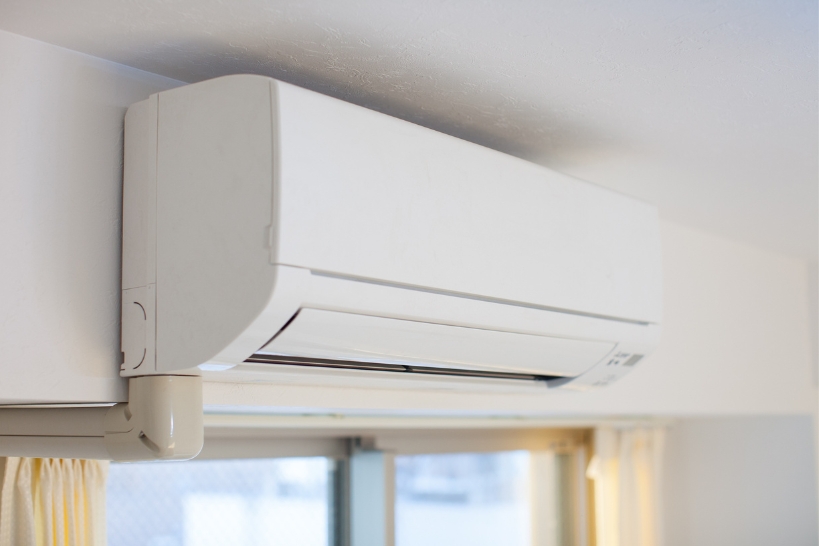
Picture cooling a bonus room over a Madison garage during a sticky 95 degree July afternoon. No matter how low you set downstairs cooling, that space stays stifling. Use this quick checklist to evaluate your layout before talking numbers.
Usually worth it in these situations:
- Problem rooms: You need a mini-split for a bonus room, sunroom, or addition that your central system can’t reach.
- No ductwork: You need a mini-split for an older home with missing or undersized ducts.
- Selective comfort: You only need to cool one or two specific hot spots.
Usually not worth it in these situations:
- Your home has good ductwork and you prefer a central air conditioning system.
- You dislike wall-mounted heads and won’t consider ceiling cassettes.
- You won’t clean filters regularly, which is vital in heavy Alabama humidity.
Are Ductless Mini-Splits Worth It? Costs, Disruption, and Local Rebates
When deciding if ductless mini-splits are worth it for a hot bonus room or addition, the real tradeoff comes down to equipment cost versus infrastructure investment.
| Cooling Option | Typical Cost | Key Tradeoff |
|---|---|---|
| Single-Zone Mini-Split | $2,000-$4,500 | High efficiency and targeted comfort with minimal home disruption via a simple three-inch wall opening. |
| Extend Existing Ductwork | $1,000-$2,500 | Lower equipment outlay, but frequently starves distant rooms of airflow and strains your primary AC system. |
| New Central System | $7,000-$14,000+ | Complete cooling solution, but requires cutting into drywall and framing if ducts do not exist. |
| Window Unit | $150-$400 | Lowest initial cost, but brings high operating noise, security vulnerabilities, and struggles against North Alabama humidity. |
When comparing quotes, confirm what is included in the base price: dedicated electrical line installation, exterior line-set covers, condensate drainage routing, and final commissioning.
Local utility incentives can lower upfront costs, but check eligibility rules carefully. TVA EnergyRight provides mini-split rebates across North Alabama when installed by approved contractors. Alabama Power rebates usually require switching primary heating from gas to electric, meaning single-room add-ons rarely qualify. Federal Section 25C tax credits are also possible for qualifying high-efficiency models.
Why Higher SEER Is Not Enough: Sizing and Dehumidification in Alabama
A bigger cooling unit can actually make your room feel colder and stickier. In Alabama’s muggy summers, an oversized mini-split cools space too fast without pulling out moisture, leaving you clammy and uncomfortable.
Air conditioning balances sensible load (lowering temperature) and latent load (removing moisture). When a system is oversized, it short-cycles and shuts off before removing humidity. Even variable-speed inverter systems can ramp down compressor speeds too quickly near your temperature setpoint, cutting off dehumidification.
This mistake often happens when sizing a mini-split for a bonus room over a garage or a sunroom. These spaces absorb heavy radiant heat through roof decking, knee walls, and unconditioned spaces below. Standard square-foot rules of thumb fail here, making a professional Manual J load calculation essential to get sizing right.
To keep humidity under control on muggy days:
- Set your fan to Auto or Low so moisture condenses properly on cold coils.
- Run Dry Mode during mild, high-humidity weather.
- Maintain steady thermostat setpoints to allow continuous moisture removal.
Mini-splits are full heat pumps, offering efficient warmth when winter arrives. Visit our heating services page to compare year-round comfort options for your North Alabama home.
Installation Reality and Upkeep: What to Know Before You Buy
In a 1970s Huntsville ranch or historic Athens home, installing a mini-split involves mounting indoor heads, setting the outdoor compressor, and drilling a three-inch penetration for line-sets. To determine if ductless mini-splits are worth it for your space, clarify these hidden installation factors on your estimate:
- Electrical Capacity: Older panels may lack open breaker slots, requiring a service upgrade.
- Routing Aesthetics: Long line-sets need color-matched covers to protect exterior brick or siding.
- Condensate Drainage: Verify whether moisture drains via natural gravity or requires an internal condensate pump.
Ongoing upkeep is simple but essential. Wash indoor filters every two to four weeks to maintain efficiency. In North Alabama’s humid climate, schedule a professional deep coil cleaning every one to two years to prevent mold build-up. If you are balancing mini-splits with central ductwork, explore our air conditioning guides for whole-home airflow advice.
How to Decide If a Ductless Mini-Split Is Worth the Investment
Evaluating a mini-split comes down to balancing room comfort, installation disruption, and your overall budget. Use this four-step decision framework to find out if ductless is the right fit for your space:
- Define the goal: Determine whether you are fixing one stubborn hot spot, conditioning a new bonus room, or cooling your entire home.
- Confirm constraints: Check your electrical panel capacity, exterior line-set routing options, and indoor wall placement.
- Demand correct sizing: Insist on a formal Manual J load calculation. Oversized units short-cycle and leave North Alabama homes feeling cold and humid, while properly sized systems manage heavy moisture with ease.
- Compare itemized quotes: Review proposals side-by-side, verifying that equipment, dedicated electrical work, condensate drainage, and line-hide covers are clearly included.
Your Decision Matrix:
- If you need to cool or heat a single problematic space like a sunroom or room over the garage, a mini-split delivers better efficiency and comfort than extending ductwork or using window units.
- If your existing ductwork is in good condition and you want uniform comfort across the entire house, upgrading your primary central HVAC system is typically the smarter path.
Frequently Asked Questions
Are ductless mini-splits worth it in Alabama humidity?
Yes, but proper sizing and continuous runtime are crucial. Oversized units cool space too quickly without running long enough to pull moisture out of the air, leaving rooms feeling cold and clammy. If high humidity persists during muggy weather, running the unit on Dry Mode or supplementing with dedicated dehumidification restores balance.
Is a mini-split better than a window unit for a bonus room?
Yes, mini-splits outperform window units across energy efficiency, noise, and security. Ductless systems deliver whisper-quiet operation, year-round heating capabilities, and do not leave open windows vulnerable to leaks or intruders. While initial equipment costs are higher, the long-term energy savings and superior comfort make mini-splits the better investment.
What size mini-split do I need for a bonus room over the garage?
Most bonus rooms require between 12,000 and 18,000 BTUs, but square-footage rules of thumb often fail in these spaces. Unconditioned garages underneath, low knee walls, and sloped rooflines generate excessive heat loads. Local HVAC contractors, including Best Care Home Services, perform Manual J load calculations to determine exact sizing needs for these layouts.
Can I add a mini-split to an older home without tearing up walls?
Yes, ductless mini-splits install cleanly through a small three-inch penetration in an exterior wall. Technicians route slender copper line-sets along the home’s exterior inside color-matched protective covers, preserving historic drywall and plaster. The primary concern is electrical capacity, as older homes may require a dedicated circuit or panel upgrade.
Ductless vs. central air: which helps resale value more in Alabama?
Central air remains expected for whole-home cooling in North Alabama, but ductless systems add targeted value for specific problem areas. Buyers view mini-splits in additions, sunrooms, or attic bonus rooms as permanent, high-end upgrades compared to noisy window units or underperforming duct extensions.
Do rebates apply to ductless mini-splits in North Alabama?
Rebate eligibility varies significantly by utility service territory. TVA EnergyRight partners with local power distributors across North Alabama to offer incentives for qualifying high-efficiency heat pumps. Alabama Power rebates typically focus on converting primary gas heat to electric, so always verify current local rules before purchasing.
A well-sized ductless mini-split delivers real comfort in North Alabama’s stubborn problem rooms, handles humidity better than window units, and adds durable value to additions and sunrooms. If you want to find out if ductless mini-splits are worth it for your specific layout, Best Care Home Services offers free in-home assessments with a formal Manual J calculation.