Is it popping like popcorn, rumbling like thunder, or hissing? Strange sounds coming from your utility closet can be alarming, especially when your morning shower is suddenly running lukewarm. If you are asking why is my water heater making noise, the answer usually comes down to what is happening inside the tank.
In North Alabama, mineral-rich hard water frequently causes sediment to build up over time. Water trapped beneath this heavy mineral layer boils and snaps, creating loud sounds while reducing heating efficiency. This guide helps you match the exact sound to its cause, provides safe DIY troubleshooting steps, and highlights clear triggers for professional support.
Safety comes first. If you smell gas near a gas unit, spot water pooling around the base, or see active discharge from the temperature-and-pressure (T&P) relief valve, shut off the system and call for professional service right away.
First, match the sound you are hearing to what it usually means.
Quick Diagnostic Guide: Why Is My Water Heater Making Noise?
Loud water heater sounds rarely mean an imminent tank rupture. Strange noises are early warnings of mineral buildup or high plumbing pressure that can reduce heating efficiency long before risking serious water damage.
Use this diagnostic overview to quickly identify the issue and determine your safest next step.
Popping or Rumbling
Most likely cause: Water boiling under sediment (affects both gas and electric units). First check: Verify thermostat is set to 120 degrees F. Call a pro if: Loud popping continues after flushing, or your water runs rusty.
Sizzling or Hissing
Sizzling typically points to scale on electric heating elements. Hissing from gas units is usually burner condensation. First check: Look for standing water near burner or electrical panels. Call a pro if: Sizzling persists with no hot water, or you spot leaks from the tank jacket.
Banging
Banging is usually water hammer from high pressure or closing valves. First check: Note whether banging happens only when fixtures shut off. Call a pro if: Banging comes from inside the tank during active heating cycles.
Whistling or Screeching
A restricted flow through a closed or failing valve causes whistling. First check: Confirm the cold water inlet valve is fully open. Call a pro if: The sound comes directly from the T&P relief valve.
Ticking or Humming
Heat trap nipples expanding or a loose heating element causes ticking and humming. First check: Hold exposed pipes to check for loose mounting straps. Call a pro if: An electric unit hums while tripping the circuit breaker.
Key Diagnostic Differences
Pay close attention to these distinctions before taking action:
- Banging vs. Rumbling: Banging that occurs right when a faucet or appliance shuts off is water hammer in your pipes. Deep rumbling during a heating cycle comes from heavy sediment settling at the bottom of the tank.
- Brief Hissing vs. Persistent Sizzling: Brief hissing when gas ignites is normal burner condensation dripping onto hot metal. Constant sizzling on electric units indicates scale encrusting the upper or lower heating element.
If your noise is popping or rumbling, sediment is the most common root cause. Here is what is actually happening inside the tank.
How Sediment Traps Heat and Creates Noise
Imagine heating a pan of water covered by a dense layer of sand. Water trapped underneath boils into steam and violently bursts through. That exact process happens inside your water heater.
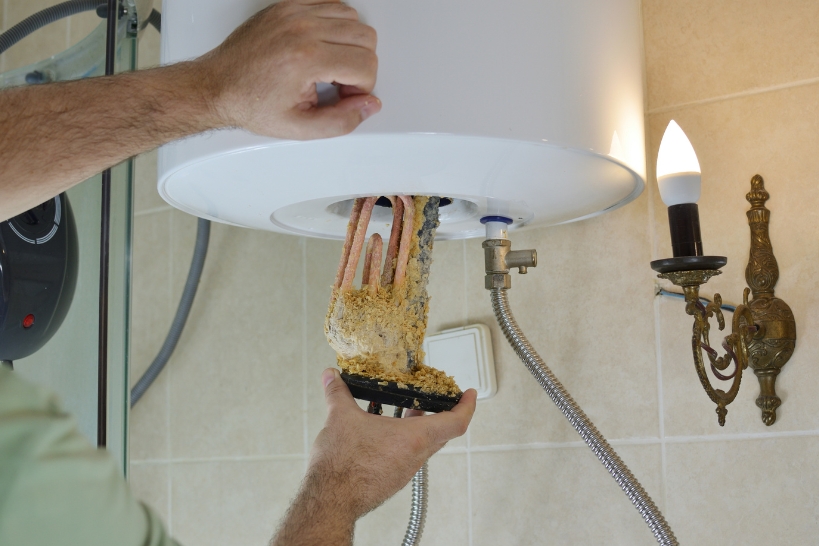
When hard water heats up, minerals like calcium settle to the bottom as sediment. Water trapped under this crust flashes into steam during heating cycles. Small bubbles breaking through create a popping sound like popcorn, while thicker buildup creates a deep rumble.
This sediment layer acts as insulation between the heat source and your water:
- Gas units: Burner heat must force through inches of sludge, creating hot spots that stress the steel shell and lower efficiency.
- Electric units: Scale encrusts heating elements, causing elevated temperatures that shorten element life.
North Alabama homes frequently deal with mineral-rich hard water that accelerates sediment buildup. If your heater is noisy and your hot water seems weaker, do not wait. Next, rule out the other common noises that point to pressure, plumbing shock, or electrical risks.
Whistling, Sizzling, and Humming: Secondary Water Heater Noises
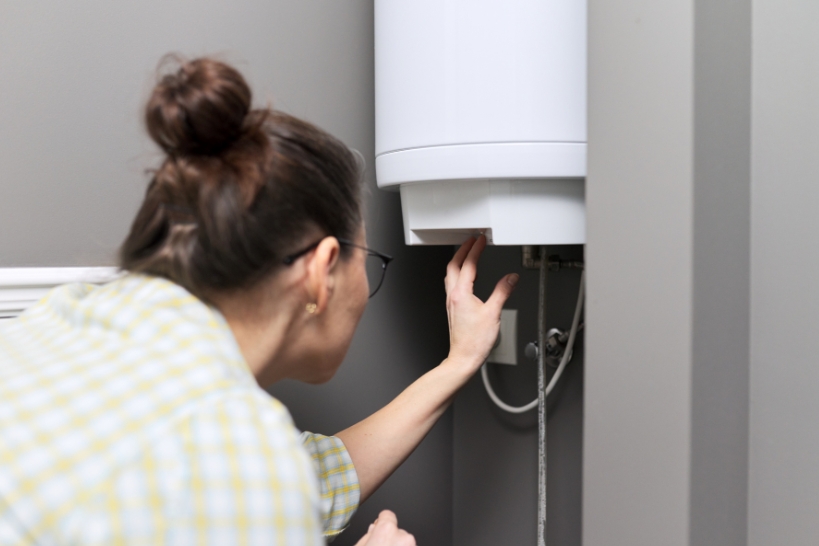
Secondary noises can signal pressure, plumbing, or electrical issues that are worth a closer look. Use this checklist to safely diagnose what you are hearing:
- Hissing or Sizzling
- Electric: Sediment baking on a heating element sizzles. If water pools near electrical components, flip the breaker off immediately.
- Gas: Brief burner condensation is normal; constant hissing with moisture means a leak.
- Whistling or Screeching
- High pressure forcing water through a partially closed valve or restricted pipe. Verify your main supply valve is fully open.
- Ticking or Clicking
- Thermal expansion in plumbing pipes or heat-trap nipples causes harmless clicking as metal shifts against studs. Securing loose pipe straps dampens the sound.
- Humming or Vibration
- Loose pipes or unseated elements vibrate during water flow. Pipe isolation pads help, but element adjustments require professional residential plumbing service.
Never ignore a burning smell, melted wiring, ongoing T&P discharge, or active leaks. If the bigger issue is no hot water, use the next section to narrow it down fast.
No Hot Water or Running Out Fast? Safe Triage Steps
Is your noisy water heater leaving you with lukewarm water or icy showers? When a noisy unit starts underperforming, the first step is determining whether you have a total outage or reduced capacity. Start by checking your fuel type: gas units feature a bottom gas line, while electric models connect via an overhead electrical conduit.
Electric Water Heater Checks
- Tripped Breaker: Check your electrical panel for a tripped double-pole breaker. Reset it once. If it trips again, leave it off and call a technician to prevent electrical damage.
- Element or Thermostat Failure: Lukewarm water or slow recovery points to a failed thermostat or heating element. Scale buildup bakes directly onto submerged elements, causing them to overheat and burn out.
Gas Water Heater Checks
- Pilot Light Status: Look through the sight glass near the base to confirm the pilot flame is lit. Never attempt to disassemble gas control components yourself.
- Thermostat Settings: Make sure the dial is set to 120 degrees F and has not accidentally shifted to Vacation mode.
Universal Causes
Heavy sediment accumulation reduces total tank capacity and delays recovery time. A broken dip tube dumps incoming cold water straight into the top of the tank, diluting your hot supply, an issue requiring professional diagnosis. If limited tank capacity is a recurring problem, explore tankless water heater options to learn about continuous hot water.
How to Safely Flush Your Tank Water Heater to Stop Sediment Rumbling
Imagine connecting a garden hose to fix a rumbling water heater, only to have scalding 140-degree water spray out because trapped pressure had nowhere to go. Flushing removes noisy sediment, but safety comes first.
Before starting, turn off the electric breaker or set the gas valve to Pilot. Never restore electric power until the tank is completely full, or the heating elements will burn out. Route your hose to a safe drain and open a nearby hot water faucet to break the internal vacuum. If you spot active leaks, a stuck drain valve, or scorch marks, stop immediately.
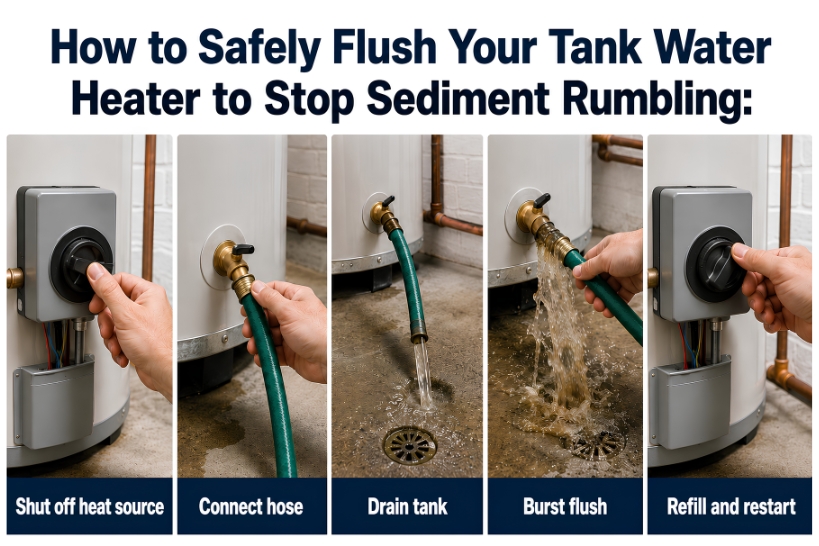
Step-by-Step Flush:
- Shut off heat source: Switch off the breaker or set gas to Pilot.
- Connect hose: Close the cold inlet valve and attach a garden hose to the drain valve.
- Drain tank: Open a hot faucet indoors, then open the drain valve.
- Burst flush: Pulse the cold inlet valve open for 5 seconds at a time to stir sediment.
- Refill and restart: Close the drain valve, reopen the cold inlet to refill, purge air, and restore power.
Flushing clears loose debris, but hardened scale requires professional tools. If you would rather have a plumber handle this safely, expert service keeps your system running quietly.
DIY vs. Professional Repair: When to Call Best Care
Unaddressed sediment buildup can contribute to premature component wear and water-heater problems. Use this simple decision framework to determine your safest next step:
- DIY Maintenance: Reasonable if rumbling is mild, hot water supply is steady, no leaks exist, and you can safely shut off the power or gas.
- Schedule Professional Service: Book water heater service in Huntsville if noise persists after flushing, water temperatures fluctuate, or electric sizzling signals element issues.
- Urgent Call (Right Away): Shut off your water main immediately if water pools around the base, the T&P valve continuously leaks, or you smell gas.
For tanks past their typical 8- to 12-year lifespan, persistent noise indicates severe internal corrosion. At that point, a repair-versus-replacement decision becomes essential. Mineral scale also affects tankless water heater options, which require specialized flushing solutions.
Your Action Plan for a Quiet, Reliable Water Heater
Water heater noise is an early warning sign that sediment buildup or high pressure is forcing your unit to work harder than it should. Left unchecked, that extra strain drives up utility bills and leads to sudden system failure. Addressing these sounds early protects your budget and keeps your hot water flowing.
Take control of your system with this three-step plan:
- Identify the sound and system: Match the noise to the diagnostic guide above and note whether your unit is gas or electric.
- Clear out sediment: For popping or rumbling, perform a safety-first flush. Maintain an annual flushing schedule to counter North Alabama’s mineral-rich water.
- Escalate safety risks: If you detect active leaks, burning smells, gas odors, or T&P valve discharge, stop troubleshooting and call a professional immediately.
When you need an expert to inspect, flush, or repair your system, Best Care offers reliable water heater services to keep your home comfortable year-round.
Frequently Asked Questions
Is a water heater popping sound dangerous?
A water heater popping sound is usually caused by sediment accumulation and is not an immediate emergency on its own. However, the risk increases if popping is accompanied by leaks, scorching, or water discharging from the temperature-and-pressure (T&P) relief valve. These secondary signs indicate severe pressure buildup or dangerous overheating.
Why is my water heater popping but I still have hot water?
Sediment traps water at the bottom of the tank, causing localized boiling that pops long before total system failure. Your heater still produces hot water, but the trapped heat stresses burners and heating elements while reducing efficiency. Address sediment early to prevent sudden component burnout and high utility bills.
How often should I flush my water heater in the Huntsville area?
Homeowners in North Alabama should flush traditional tank water heaters at least once per year. Because Huntsville hard water accelerates mineral buildup, homes with well water or heavy mineral content may require service every six months. Testing your home’s water hardness helps set the correct flushing frequency.
My water heater is making noise and I have no hot water. What should I check first?
For electric units, check your main breaker panel and reset a tripped switch once. For gas models, check the thermostat dial and pilot light status without disassembling gas lines. If you spot standing water, T&P valve discharge, or a breaker that trips repeatedly, shut off power immediately and call a plumber.
Should I repair or replace a noisy water heater?
Repair is usually best for units under eight years old experiencing minor sediment buildup. Replacement makes more sense if the heater is over ten years old, leaking, or requiring frequent repairs. Check out our water heater repair or replacement guide to choose the right path for your home.
Do you offer water heater repair in Huntsville and Madison?
Yes, Best Care Home Services provides complete water heater repair in Huntsville and Madison, Alabama. Our licensed plumbers service all major traditional tank models and offer specialized care for tankless water heaters. We diagnose strange noises, flush stubborn sediment, and restore hot water fast.