During a sweltering Tennessee Valley summer, your air conditioner might run constantly, yet your upstairs bedrooms still feel damp and sticky. A lingering musty smell in a hallway, basement, or crawlspace is another clue. When your cooling system drops the temperature but leaves behind heavy moisture, high indoor humidity is the real problem.
Bringing indoor moisture down to the ideal 30 to 50 percent range restores daily comfort, reduces allergy triggers, prevents mold growth, and protects your home. Understanding whole house dehumidifier benefits helps you weigh dedicated systems against portable units or fixing your AC first. Best Care serves Huntsville, Madison, and North Alabama homeowners with trusted HVAC and indoor air quality solutions.
Schedule an indoor air quality evaluation today.
Ideal Indoor Humidity Levels for Alabama Homes
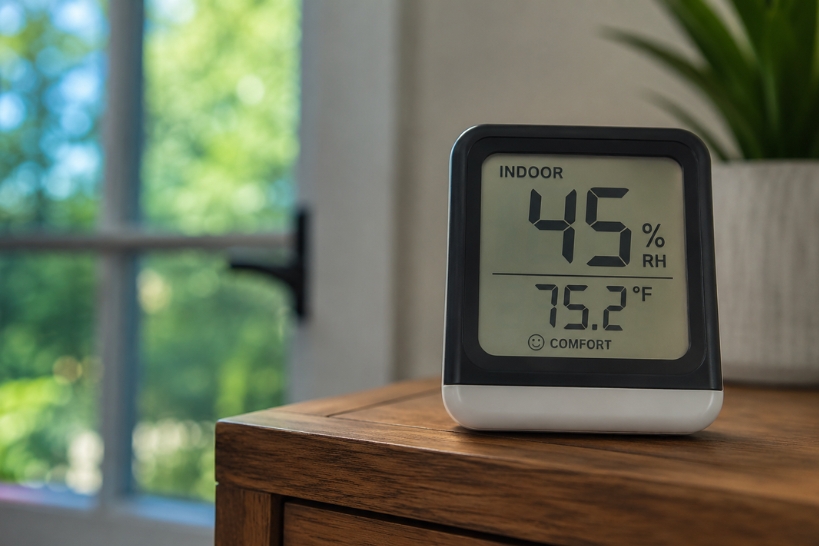
Maintaining an indoor relative humidity (RH) between 30% and 50% is critical for home comfort, with 45% to 50% serving as the ideal sweet spot during an Alabama summer. Think of RH as how full of moisture the air is relative to its temperature. When RH is high, sweat cannot evaporate, making a 72 degree room feel sticky and hot even though the thermostat looks normal.
Indoor dew point is a separate measure that signals condensation risk. When humid air touches cool surfaces, moisture collects on AC supply vents, windows, and crawlspace doors. That moisture can happen even when your thermostat shows a comfortable temperature.
To track indoor moisture, place a cheap digital hygrometer or smart sensor in three key areas: your main living space, an upstairs bedroom, and near a crawlspace or basement entrance.
You likely have excessive humidity if you notice any of these signs:
- Musty odors or damp closets
- Sweating windows or sticky floors
- Clammy bedsheets or visible mold spots
When indoor levels consistently exceed 55% to 60% RH, home comfort drops fast while mold and property damage risks rise.
Real-World Whole House Dehumidifier Benefits in North Alabama
Picture a muggy July evening in Huntsville. Your thermostat reads 72 degrees upstairs, but with 68% relative humidity, your bedsheets feel clammy and sleep comes hard. Once a whole-home unit pulls indoor air down to 45% RH, that same 72 degree room feels crisp and genuinely cool.
A properly sized whole house dehumidifier delivers benefits across four areas of your home:
- Comfort and HVAC Performance: Drier air allows sweat to evaporate naturally from your skin. Most homeowners can raise their thermostat a few degrees without sacrificing comfort, which cuts cooling costs and eases wear on the AC.
- Allergy and Odor Relief: Dust mites and mold thrive in humid environments. Dropping indoor moisture starves these allergy triggers and eliminates that persistent musty smell in basements and closets.
- Home Protection: Balanced air prevents hardwood floors, door frames, and trim from warping. It also stops hidden condensation from feeding mold behind closets, furniture, or AC supply boots.
- Set-It-and-Forget-It Convenience: Whole-home units are tucked quietly in your mechanical space, drain continuously, and require no bucket-emptying or noisy compressor hums.
One limit worth knowing: a dehumidifier manages air moisture, but it will not fix bulk water issues like pipe leaks, foundation drainage problems, or lack of proper ventilation. Those require a different repair.
Portable Unit, Whole-Home System, or AC Repair: How to Choose
An oversized air conditioner cools your home quickly but often short-cycles, dropping the thermostat setting before running long enough to remove moisture from the air. Before investing in new equipment, match your home’s humidity symptoms to the right solution:
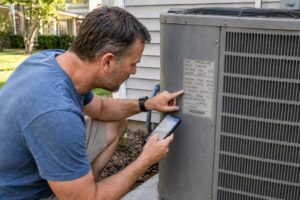
- Fix your AC first if: Humidity remains high while airflow feels weak or the unit runs constantly. Scheduling professional AC maintenance resolves dirty evaporator coils and drain line clogs that reduce dehumidification. Regular air filter changes support overall indoor air quality, but proper system calibration is the real fix for humidity.
- Upgrade to ductless if: Your home has rooms without central ductwork, or relies on window units. A variable-speed ductless mini-split removes humidity more consistently than a standard system, since it runs continuously at low speed instead of cycling on and off.
- Use a portable unit if: High humidity is isolated to a single space, like a finished basement or laundry room, while the rest of your home maintains comfortable levels.
- Choose whole-house dehumidification if: Excess humidity spans two or more floors, musty odors linger throughout the house, or you are already running multiple portables.
Call (256) 937-7889 for Same-Day Service
Low-cost quick wins before buying any equipment: Run bathroom exhaust fans during showers, use kitchen range hoods when cooking, confirm your dryer vents outdoors, and fix minor plumbing leaks first.
Whole House Dehumidifier Costs, Installation, and Maintenance
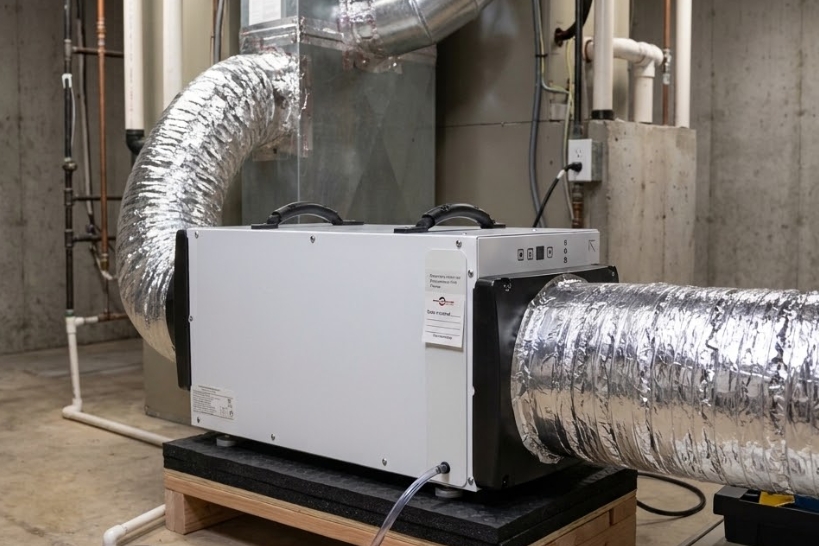
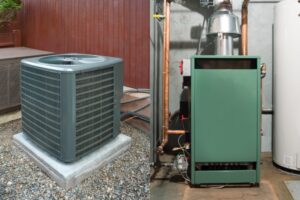
In most North Alabama homes, adding a whole-home dehumidifier to an existing HVAC system is straightforward, provided there is accessible ductwork, drainage, and power.
Standard installation covers four tasks:
- Ductwork integration: Tying into return and supply ducts to pull damp air and distribute dry air throughout the home.
- Condensate drainage: Setting up a gravity drain line or condensate pump to route extracted water safely outside.
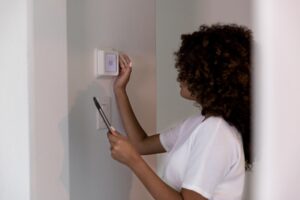
- System controls: Wiring to a dedicated wall dehumidistat or integrating with a compatible smart thermostat.
- Electrical setup: Confirming power access, which may require adding a dedicated 120V circuit.
Unit capacity (measured in pints per day), duct accessibility, crawlspace or attic access, and electrical work all affect overall cost. A typical installed system in the Huntsville area runs for a few thousand dollars, so an in-home estimate is the only accurate way to confirm your specific requirements.
Ongoing upkeep is minimal: replace filters every 6 to 12 months and inspect drain lines once a year. Skipping those steps leads to drain clogs, tripped safety float switches, and restricted airflow. Because many Tennessee Valley homes sit over damp crawlspaces or basements, complete moisture control often means looking beyond the HVAC unit alone.
Schedule an IAQ evaluation and humidity diagnosis.
Your 4-Step Plan for Lowering Indoor Humidity This Week
Work through this decision framework before spending money on new equipment:
- Measure indoor RH: Track readings on every floor for 3 to 7 days using a digital hygrometer.
- Isolate problem zones: If only a basement or single room stays damp, a portable unit with continuous drainage is usually enough.
- Verify AC performance: If high humidity is everywhere, set your thermostat fan to AUTO and check for clogged drains or dirty coils.
- Upgrade to whole-home: If moisture stays above 50% throughout your living space, stop buying noisy portables and invest in an integrated unit.
Solving humidity correctly prevents redundant spending. For reliable year-round cooling, pair humidity control with regular AC maintenance. Ready to fix clammy air for good? Explore your indoor air quality options and schedule an evaluation with Best Care Home Services.
Frequently Asked Questions
What humidity level should my house be in Alabama during summer?
The ideal indoor relative humidity for Alabama homes during summer is between 45% and 50%, with 30% to 50% representing the broader healthy target. Keeping relative humidity below 50% allows sweat to evaporate naturally for maximum cooling comfort while preventing mold spores and dust mites from reproducing. Because moisture levels can vary across floors, measure relative humidity on every floor using digital hygrometers to spot hidden damp zones.
Is a whole-home dehumidifier worth it in Huntsville?
Investing in a whole-home system is worth it if your home stays above 55% relative humidity, feels clammy despite running the air conditioner, or has recurring musty odors. Removing excess moisture lets you raise your thermostat set point without losing comfort, which offsets part of the installation cost over time. If your moisture issues are isolated to a single basement or laundry room, a single portable unit may be the better starting point.
Will a whole-house dehumidifier increase my electric bill?
Yes, running a dedicated dehumidifier consumes electricity, typically adding more per month during peak summer months. However, dry air feels significantly cooler than damp air, so you can comfortably raise your central air conditioner thermostat 2 to 3 degrees. That reduction in primary cooling workload often creates a neutral net impact on total monthly utility costs.
Can I add a whole-home dehumidifier to my existing HVAC system?
Most standard central HVAC systems accept an integrated whole-home dehumidifier, provided there is sufficient duct access, a nearby electrical supply, and a clear drain path for condensate. Technicians install the unit alongside your existing return and supply ductwork to filter and dry air continuously. If ductwork access in your attic or crawlspace is extremely tight, custom duct transitions or dedicated wall controls may be required.
Is a whole-home dehumidifier better than multiple portable units?
A whole-home system is better for large spaces because it provides balanced moisture control through your existing vents, operates quietly out of sight, and drains automatically without manual bucket emptying. Portable units cost less upfront, but they are noisy, inefficient for multiple rooms, and require constant attention. Whole-home systems also deliver longer equipment lifespans and better energy efficiency overall.
What maintenance does a whole-home dehumidifier need?
Routine maintenance requires replacing or cleaning the air filter every 6 to 12 months and checking the condensate drain line for blockages. Keeping the drain line clear prevents water backups and tripped safety float switches during humid summer months. Inspecting the dehumidifier during your annual AC maintenance visit keeps the unit running cleanly alongside your home’s total air quality strategy.