If your North Alabama home runs on aging pipes, the warning signs you need to repipe your house are often hiding in plain sight: rust-colored water, whole-house pressure drops, and leaks that keep coming back. Homes built between 1978 and 1995 in Huntsville, Madison, and Athens frequently contain polybutylene supply lines, while older neighborhoods still rely on corroded galvanized steel. This guide covers seven warning signs, how to identify your pipe material, and how to decide between patching and full replacement.
Request a Free Repipe Estimate
1. You Have Polybutylene (Poly-B) Pipes
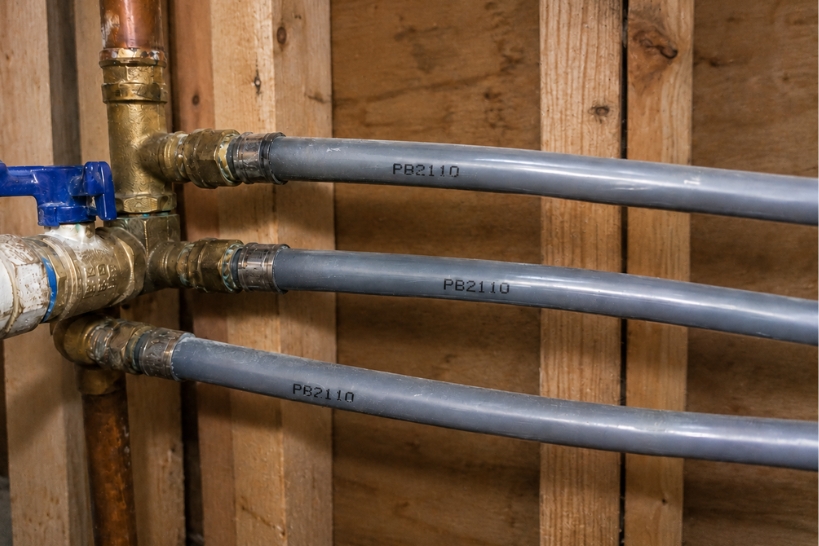
Polybutylene is an at-risk supply pipe material prone to sudden, catastrophic failure. Many North Alabama homes built between 1978 and 1995 still rely on these aging lines.
To confirm what material you have, perform a quick visual check:
- Wipe the pipe clean: Check for printed codes like PB or PB2110 instead of modern PEX.
- Note the appearance: Poly-B is usually flexible gray plastic, though color alone does not guarantee identification.
Beyond leak risks, Poly-B creates serious real estate and financial friction. Insurance companies frequently refuse coverage or raise rates for affected homes, and buyers typically require full pipe replacement before closing.
If you suspect or confirm Poly-B in your home, schedule a professional plumbing inspection and repipe consultation to protect your property value.
2. Your Home Has Corroded Galvanized Steel Pipes
Galvanized steel supply lines corrode from the inside out, building up scale that restricts water flow and sheds rust into your water supply. As corrosion worsens, you will notice low whole-house pressure, brownish tap water, and recurring leaks at threaded joints.
Identify your pipe material using two fast DIY diagnostics:
- Magnet test: A strong magnetic pull confirms ferrous metal, pointing to galvanized steel.
- Scratch test: Gently scratch the pipe with a key. Copper shines like a bright penny, lead leaves a dull gray mark, and galvanized steel reveals a hard silver-gray surface.
Spot repairs cannot fix system-wide pipe narrowing. Single patches only delay necessary replacement. For a full picture of what your plumbing needs, explore our residential plumbing services or schedule a repipe evaluation to solve your pressure and rust issues permanently.
3. Discolored or Rust-Tinged Water Across Multiple Taps
Brown or yellow water at a single faucet usually points to a dirty aerator. Discolored water across multiple fixtures signals a larger supply line problem.
Run a few quick checks to confirm the cause:
- Clean the aerator: Unscrew and clean one aerator to rule out trapped rust debris.
- Compare hot vs. cold: Discoloration only in hot water signals a failing water heater, not pipe corrosion.
- Check other rooms: Test taps in different bathrooms to see if the issue is localized.
Widespread discoloration typically stems from internal corrosion and flaking scale inside aging galvanized supply lines. As pipe walls thin, rust stains your laundry and fixtures while raising your risk of pinhole leaks and severe water damage.
Before opening up walls, schedule professional leak detection and diagnostics to pinpoint the cause.
Call (256) 937-7889 for Same-Day Service
4. Low Water Pressure Throughout the Entire House
Turning on the kitchen faucet should not reduce your shower to a trickle. When low pressure hits multiple rooms at once, the problem goes beyond a single clogged aerator.
Perform these quick diagnostic steps:
- Check the main shutoff: Confirm your main water valve is fully open.
- Test multiple fixtures: Run taps in different rooms to verify widespread flow loss.
- Assess the timeline: Sudden drops usually stem from municipal work, while gradual loss signals pipe restriction.
In older North Alabama homes, whole-house pressure loss typically points to galvanized corrosion, mineral buildup, or a failing main supply line. A new fixture or pressure-reducing valve will not fix internal pipe narrowing.
If pressure loss persists, schedule a professional flow evaluation and repipe consult to restore full volume.
5. Frequent or Recurring Leaks in Multiple Locations
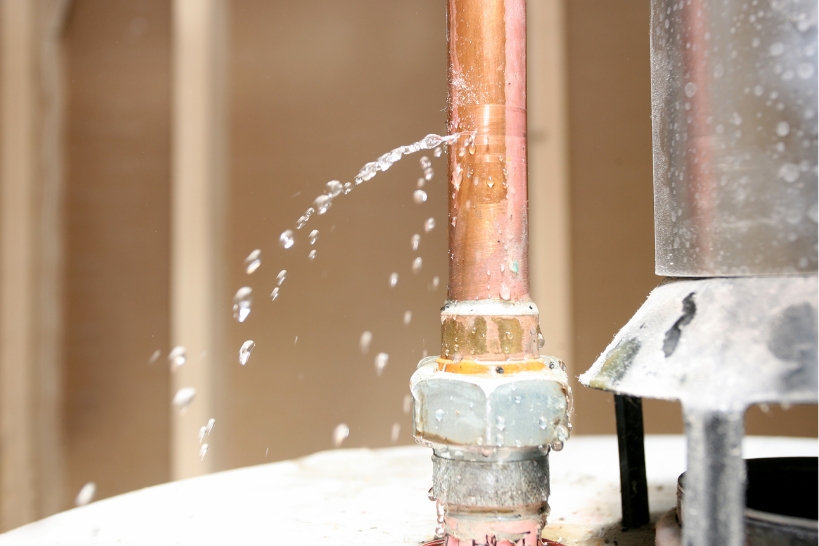
Fixing a leak under the kitchen sink only to find another behind the hall bathroom months later signals systemic pipe failure, not isolated bad luck.
If you have paid for multiple leak repairs within a 12-to-18-month window, compare the cost of a full repipe against continuous patching. Aging pipe materials degrade at a uniform rate across your entire home. Patching one weak spot relieves local pressure, but it does not reset the clock on aging lines.
Repeated repairs also carry hidden costs:
- Emergency labor rates
- Drywall and paint restoration
- Constant household disruption
Schedule a professional assessment to map your plumbing system and explore partial versus full repipe options before the next break occurs.
6. Unexplained Water Bill Spikes or Hidden Leaks
An unexpected jump in your monthly water bill often signals hidden water escaping out of sight.
Before opening walls, run a quick water meter test. Turn off all fixtures in your home and check the meter. If the dial keeps moving, you have an active leak.
Hidden supply line leaks commonly develop under concrete slabs, inside walls, or in crawlspaces. In older homes, a hidden leak is frequently the first visible failure of a deteriorating plumbing network.
When leak detection identifies a break in aged or high-risk pipe material, patching a single section often just delays the next problem. Choosing to repipe prevents the next two or three costly leaks from causing major property damage.
Schedule professional leak pinpointing to locate the exact break and avoid unnecessary demolition before deciding between repair and replacement.
7. You Are Remodeling, Buying, or Preparing to Sell Your Home
A major renovation or property transfer is the ideal window to repipe your house. Upgrading aging plumbing while walls are already open gets the most from your investment and avoids tearing into fresh drywall or custom tile later.
During home sales, legacy materials like Poly-B frequently trigger home inspector flags, insurance underwriting hurdles, or buyer objections. Resolving plumbing issues before listing protects your sale price and prevents closing delays.
Before construction starts, request a written scope detailing material options (PEX or copper) and clarifying wall restoration responsibilities. Aligning your plumbing upgrade with your overall timeline keeps the project on budget and on schedule.
Schedule a quote and planning consult with our repiping specialists before starting your next home project.
How to Plan Your Huntsville Home Repipe: Scope, Materials, and Budget
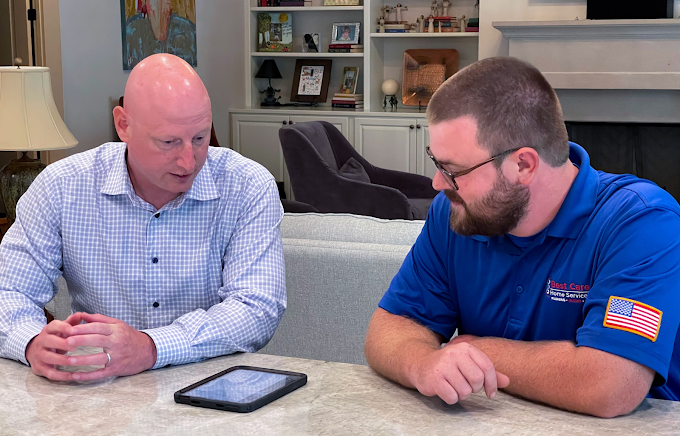
Start planning your repipe by defining the project scope. Supply-line repiping replaces pressurized hot and cold water pipes. Drain, waste, and vent (DWV) lines made of PVC or cast iron fall under a separate scope.
Choose the Right Material for Your Home
Work with a licensed plumber to evaluate material options based on home layout, pipe access, water chemistry, and long-term goals:
- PEX: Highly flexible and freeze-resistant. Installers use PEX-A with expansion fittings or PEX-B with crimp rings to maneuver through tight wall framing efficiently.
- Copper: The traditional standard offering rigid durability, though it carries higher raw material costs.
Partial vs. Full Repipe: Which Makes Sense?
Evaluate the overall condition of your plumbing system before deciding:
- Partial Repipe: Choose this option if problems are isolated to one area and remaining pipes are confirmed to be in good condition.
- Full Repipe: Select full replacement if your home contains high-risk materials like Poly-B or galvanized steel, or if you face recurring leaks.
Weighing Patching vs. Replacement Costs
Factor in cumulative expenses. Repeated repair invoices, emergency disruptions, and constant drywall touch-ups often exceed the cost of a single planned repipe. Confirm that your plumber’s quote includes municipal permits, main shutoff valves, fixture stops, and drywall access or restoration.
Schedule an on-site evaluation through our repipe replacement services, or explore our complete line of residential plumbing solutions today.
Frequently Asked Questions About Repiping
How much does it cost to repipe a house in Huntsville, Madison, or Athens?
Repiping costs vary based on square footage, home stories, pipe access (crawlspace versus slab), and material selection. When reviewing quotes, confirm if municipal permits, new shutoff valves, drywall access, and wall restoration are included in the overall price.
Will homeowner’s insurance pay for a whole-house repipe?
Insurance policies typically cover sudden, accidental water damage from a burst pipe, but not preventative upgrades or routine wear and tear. Replacing legacy materials like Poly-B can help maintain policy eligibility and prevent coverage non-renewals.
How long does repiping take, and will my water be off?
Most whole-house repiping projects take a few days, depending on home size and layout. Plumbers restore main water service at the end of each workday so your household stays functional overnight throughout the project.
Is PEX better than copper for a home repipe?
Both materials offer distinct advantages. PEX is flexible, freeze-resistant, and cost-effective to install, making it ideal for tight spaces. Copper provides rigid durability and long-term reliability. Ask your installer for a written material plan tailored to your budget and layout.
Does repiping include replacing drain lines?
No. Standard repiping covers freshwater supply lines only. Drain, waste, and vent (DWV) lines made of cast iron or PVC are part of a separate system and require a different scope of work.
Ready to upgrade your plumbing system? Visit our whole-home repiping page to schedule an on-site evaluation, or call us if you suspect an active leak.