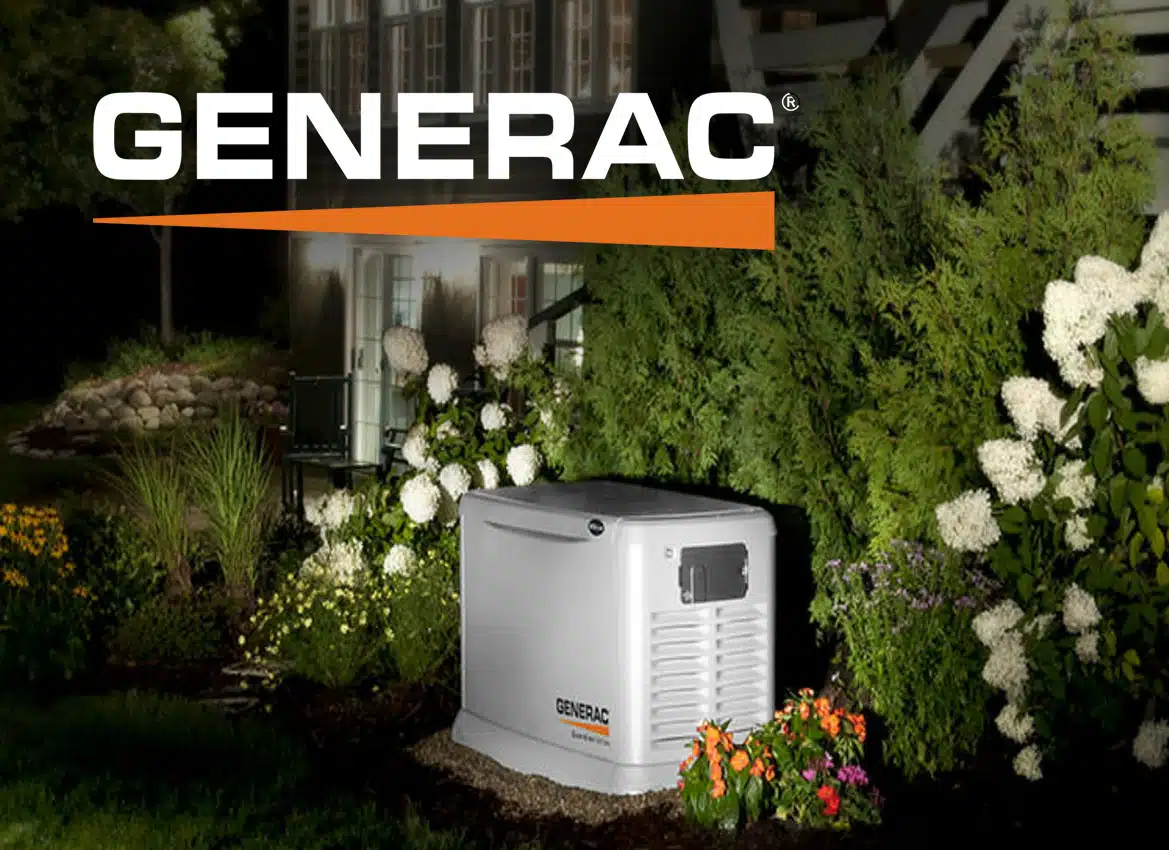
Reliable Generator Installation in Huntsville, AL
Severe storms and ice events frequently knock out power across North Alabama, making generator installation a critical safety investment in Huntsville. A permanent standby system turns on automatically and keeps your HVAC, lights, and appliances running without the manual setup of a portable unit.
As a Generac Authorized Dealer, Best Care Home Services has served more than 90,000 customers since 2009. Our technicians provide professional sizing and installation so your home stays functional and safe during any weather emergency.
We offer financing on qualified projects to make whole-home protection accessible. Call us today to get started.
Certified North Alabama Service Standards
Best Care holds the certifications and credentials that matter most to North Alabama homeowners:
Choosing the Right Standby Power System for Your North Alabama Home
A whole-home standby generator is a permanent electrical solution installed on a concrete pad outside the home, similar to a central AC unit. These systems connect directly to the home electrical panel and run on natural gas or liquid propane. An automatic transfer switch constantly monitors incoming utility power and disconnects the home from the grid within seconds of a failure, engaging the generator automatically.
Portable generators require manual retrieval, fueling, and setup during a storm. They also carry real safety risks: carbon monoxide poisoning and power fluctuations that can damage electronics. A permanent standby system eliminates those risks entirely.
Determining the right size for a generator installation in Huntsville, AL is a technical process based on your home’s specific electrical load, not its square footage. Our technicians evaluate high-draw appliances such as your air conditioning system, well pumps, and electric water heaters to confirm the unit can handle startup surge. For many Alabama families, maintaining HVAC continuity during a summer heatwave is the primary goal, while others prioritize medical devices or refrigerated medications.
Technical Factors That Determine Total Installation Cost
The investment in a backup power system goes beyond the retail cost of the generator unit. Every home in the Huntsville and Madison area has a unique electrical layout, so installation costs vary based on site complexity. Our team assesses the physical and electrical requirements of your property to provide an accurate estimate.
- Kilowatt (kW) Rating: Higher capacity units that power an entire large home cost more than smaller units designed for essential circuits.
- Automatic Transfer Switch (ATS) Amperage: The size of the home electrical service (typically 100 or 200 amps) dictates the type of transfer switch required.
- Fuel Line Plumbing: The distance between the gas meter or propane tank and the generator determines the amount of piping and labor needed.
- Site Preparation: Costs include delivery and leveling of a pre-cast concrete pad, or pouring a custom pad for stability.
- Electrical Panel Upgrades: Some older homes require a sub-panel or an upgrade to the main service panel to accommodate the new system.
These variables are why a flat-rate phone quote is rarely accurate for a high-ticket project like a standby system. Total cost also includes municipal permits and mandatory inspections required by Alabama gas and electrical boards.
As a Generac Authorized Dealer, our technicians receive factory training on Generac systems, have direct access to genuine parts, and can handle warranty claims on-site. Financing options are available for qualified homeowners. This lets families protect their home immediately rather than waiting until after the next storm.
If you are ready to move from researching options to securing your home power, start with a professional site assessment. We evaluate the electrical panel, identify the optimal placement for the unit, and provide a clear explanation of the kilowatt capacity required.
Navigating Local Permitting and Inspection Requirements
The administrative phase is where homeowners feel the most uncertainty. In the Tennessee Valley, rules for permanent electrical equipment vary by jurisdiction. If you live within Huntsville city limits, the process requires specific electrical and gas permits pulled by a licensed contractor. These inspections protect your home from fire hazards and confirm that gas line plumbing is pressurized correctly.
In unincorporated Madison County or smaller municipalities like New Hope, the permitting process may involve different offices, but the technical standards remain high. Every installation we perform requires a proper method of isolation, usually an automatic transfer switch. This component is non-negotiable: it prevents backfeeding, which occurs when a generator accidentally sends electricity back into utility lines. Backfeeding poses a lethal risk to utility crews working to restore power.
Professional oversight during the permitting stage prevents delays and confirms your system is compliant with HOA rules and local ordinances. We handle the paperwork and inspector scheduling so you can focus on the protection a standby system provides for your family.
Fuel Logistics and Placement Strategy in North Alabama
The geography of North Alabama shapes your fuel strategy. Many established neighborhoods in Madison and Huntsville are served by natural gas, which provides a continuous supply that never requires refueling during a long outage. As residential development expands into areas like Harvest and Owens Cross Roads, natural gas is not always available. In those communities, we plan for liquid propane (LP) systems.
Planning for a propane system means selecting a tank size that provides enough runtime for several days of continuous operation and establishing a relationship with a local fuel provider for prioritized refills. Placement also involves more than finding a hidden corner of the yard. We account for exhaust direction and sound levels produced when the unit is under load.
Modern standby units feature sound-dampening enclosures, but we still aim to place them away from bedroom windows and outdoor living areas. We also elevate units on a pre-cast or poured concrete pad to protect against the heavy rainfall and localized pooling that occurs during Alabama’s spring storm season.
Long-Term Maintenance and Support for Your Standby System
A standby generator is a mechanical engine system that requires routine maintenance to start and carry a full electrical load when the grid fails. Because these units often sit idle for weeks in North Alabama humidity, internal components need periodic verification to prevent battery failure, fuel degradation, or oil sludge buildup. Regular professional service keeps the unit functioning as a reliable backup.
Routine service focuses on the mechanical and electrical points of failure that occur during long periods of dormancy. Our technicians perform a multi-point check during every service visit:
- Visual inspection of the weather-protective enclosure, intake vents, and cooling system.
- Battery health diagnostics and starting system testing for reliable ignition.
- Engine oil and filter replacement to maintain lubrication integrity and engine health.
- Automatic transfer switch inspection to confirm a reliable transition between utility and backup power.
- Operational load testing to verify the unit meets its rated kilowatt output under stress.
Selecting an installer that provides local, long-term support is a vital part of the buying decision. Many high-volume retailers or general contractors do not offer the specialized technical support required for complex engine repairs after initial setup. Best Care provides dedicated generator repair and maintenance to keep your system under the care of the same factory-trained team that performed the installation.
Simplifying Ownership with ComfortGuard
The most effective way to prevent surprise failures is moving from reactive repairs to a structured maintenance plan. Our ComfortGuard membership reduces scheduling friction and centralizes your home system upkeep with one provider. Members receive proactive scheduling reminders, priority service, and discounts on necessary repairs.
While the primary focus of ComfortGuard is HVAC and plumbing health, maintaining a membership means you have a standing relationship with a company that understands your entire home infrastructure. Centralizing your service needs helps our team identify potential issues before they cause a system failure.
Areas We Serve
We provide backup power support and whole-home services throughout the Tennessee Valley, including:
- Huntsville
- Madison
- Harvest
- Hazel Green
- Decatur
- Gurley
- Hampton Cove
- Athens
- Meridianville
- New Hope
- Owens Cross Roads
- Priceville
A Step-by-Step Generator Installation Process
A professional generator installation in Huntsville, AL runs on two parallel tracks: administrative planning and permitting, and physical installation. Project lead times are most often influenced by municipal utility coordination and permit approval speed rather than manual labor. Best Care manages logistics from the initial load calculation to the final city inspection.
In-Home Assessment and Load Sizing
Licensed technicians inventory the specific appliances you intend to power during an outage. This involves calculating the starting and running wattage for high-draw items such as central AC units, well pumps, and electric water heaters. Square footage is not a reliable metric; two homes of the same size can have vastly different electrical demands.
Fuel Source Confirmation and Planning
Our team verifies the available fuel source at your property. If your home has an existing natural gas meter, we evaluate pressure and capacity. For rural homes without gas mains, we coordinate planning for a liquid propane tank and the necessary line burial.
Placement Planning
We identify a site that meets National Electrical Code (NEC) requirements and manufacturer setbacks. The unit must be a specific distance from windows, doors, and vents. We also consider proximity to the electrical meter and neighboring property lines for noise and aesthetic preferences.
The Permit Path
We file the necessary paperwork with the appropriate local authorities. Requirements differ significantly between City of Huntsville limits and unincorporated Madison County. We manage all communication with building departments so every gas and electrical permit is secured before work begins.
Installation Day
Our team delivers the unit and secures it to a stable, level pad. Licensed electricians install the automatic transfer switch near your main service panel, and our gas fitters run the dedicated fuel line. This phase involves a brief planned power outage while we integrate the new switch into your existing electrical system.
Startup, Testing, and Walkthrough
Once connections are secure, we perform a simulated power failure to verify the unit starts automatically and the transfer switch engages within seconds. We walk you through the system’s operation and show you how to use the remote monitoring app.
Final Inspection and Closeout
After the system is live, we coordinate with the local municipal inspector to sign off on the work. This confirms the installation meets all local codes. Once the inspector approves, we provide all warranty documentation and explain how to access ongoing support.
Our project managers maintain consistent communication throughout the permit wait time so you always know your project status.



Common Questions About Generator Installation in Huntsville
How much does whole-home generator installation cost in Huntsville, AL?
Installation costs depend on unit size and site complexity rather than a flat rate. Key drivers include:
- Kilowatt rating of the unit
- Amperage of the automatic transfer switch
- Fuel line plumbing required
Site preparation and any necessary electrical panel upgrades also affect the total. We offer financing on qualified projects to keep this safety investment manageable.
Do I need a permit for a standby generator in Huntsville or Madison County?
Permit and inspection requirements vary between the City of Huntsville and unincorporated areas of Madison County. Electrical and gas line work must be permitted by local authorities to confirm code compliance and residential safety. Best Care manages the entire administrative process, including filing paperwork and scheduling city or county inspectors on your behalf.
Natural gas or propane: which fuel is better for North Alabama?
Fuel choice is typically dictated by the utility infrastructure at your property. Natural gas is the preferred option in established Huntsville neighborhoods because it provides a continuous supply that never requires refueling during an outage. For rural homes or newer developments without gas mains, we install liquid propane systems with strategic tank sizing for multi-day events.
How long does it take to install a standby generator?
Physical installation of a standby unit usually takes one to two days. Total project duration depends on permit approval speed and utility coordination. We provide a clear schedule at the start of every project so you know when to expect technicians and when local inspectors will visit.
Do I really need an automatic transfer switch?
An automatic transfer switch is mandatory for a safe and code-compliant standby power system. It isolates your home from the utility grid, preventing electricity from backfeeding into local power lines. Backfeeding is a lethal hazard for utility crews on storm repairs. The switch also monitors your utility connection and engages the generator within seconds of a power failure, with no manual setup required.
Generac vs. Kohler vs. Cummins: does the brand matter?
Brand reputation matters for long-term reliability, but correct sizing and local service support are more critical for system performance. Generac, Kohler, and Cummins all produce high-quality engines, but a poorly installed or undersized unit will fail regardless of manufacturer.
As a Generac Authorized Dealer, we provide factory-trained expertise and direct access to genuine parts. We also offer generator repair and maintenance to keep your system in peak condition for its full lifespan.
Ready to Protect Your Home with A Permanent Backup Solution?
Our Madison-based team will create a clear plan for your generator installation in Huntsville, AL, so your family is never left in the dark.